
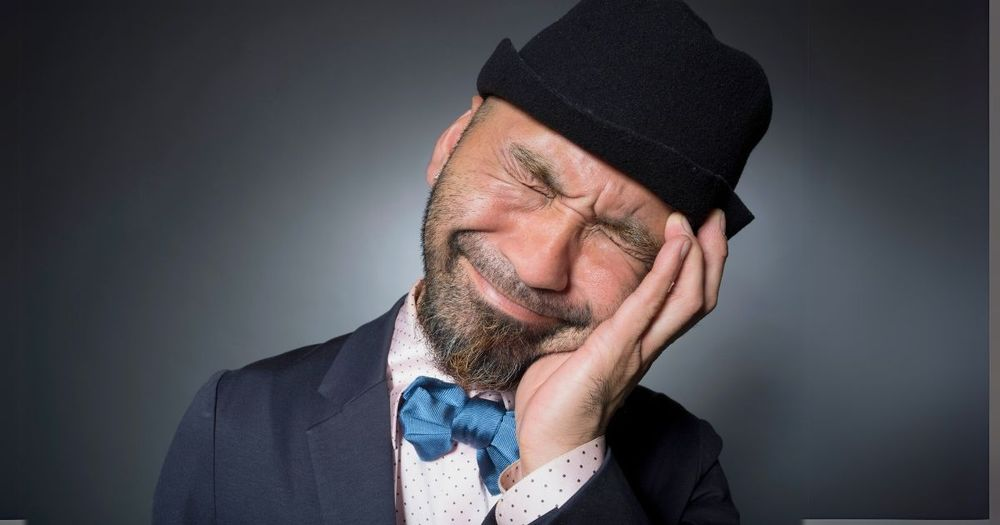
Your head is pounding, your stomach is churning, and somebody has replaced your mouth with a carpet. Kingsley Amis put it better in Lucky Jim, whose hero wakes with a mouth "used as a latrine by some small creature of the night". You'd pay good money for something that fixes this, and plenty of companies would like you to: the detox shot, the charcoal, the patch, the vitamin drip.
Here's the uncomfortable part. When researchers went through 21 placebo-controlled trials of hangover remedies, they found only very low-quality evidence for any of them. No two trials tested the same thing, and none of the results had been repeated independently.
So there's no cure, and I'd be lying if I told you otherwise. What I can do is tell you which of the rules you've heard are myths, what's worth doing anyway, and the one thing about a hangover that can really hurt you. It isn't your head.
What it is
The usual answer is dehydration, and it's a part of it. Alcohol makes you urinate more, which can leave you thirsty, dry-mouthed and dizzy. But if it were only that, a pint of water would fix it, and you know from experience that it doesn't. The causes are still poorly understood, and the list is long: changes in the immune system and blood sugar, acetaldehyde, a toxic by-product made when your liver breaks alcohol down, and the wrecked night. What a Liver Detox Cannot Do That Your Liver Already Does, linked below, has how your liver deals with it, and it doesn't need a cleanse.
The timing is the odd part. Symptoms come on as your blood alcohol falls and peak when it's back to almost zero, and they can last several hours or more than a day. So by the time you feel worst, the alcohol has nearly gone, and what's left is the aftermath.
The sleep part is underrated. In one controlled study, alcohol cut sleep efficiency and REM sleep and increased time awake, and those effects tracked how bad the hangover was. You may have been unconscious for eight hours, but you weren't sleeping well for them.
You may not recognise any of this. When three trials with 172 drinkers were pooled, 76% reported a hangover, and the authors suggested that 25 to 30% of drinkers may be resistant. Genes seem to be a large part of it. In 4,496 Australian twins, they accounted for 45% of the variation in how often men got hangovers and 40% in women, though much of that overlapped with how often they got drunk at all. So it's not a virtue, and it may not be a blessing either, as the morning-after misery is one of the few brakes on drinking.
On the same number of drinks, women are more prone to a hangover, because their blood alcohol runs higher. At the same blood alcohol, the difference mostly goes away.
You'll also hear that hangovers get worse with age. A survey of 51,645 Danes found the opposite. Severe hangovers were far more common among the young, with men aged 18 to 29 at 6.8 times the odds of men over 60, and that wasn't explained by how much they usually drank. At last, something that improves with age. It's self-reported, and it measures how often rather than how bad, so older drinkers may simply drink differently or remember differently. But if yours feel worse at 45, there may be other reasons, and your sleep is the first place to look.
Beer before wine
"Beer before wine and you'll feel fine. Wine before beer and you'll feel queer." Versions exist in many languages. In 2019, researchers finally tested it, and you have to admire the volunteers. 90 people aged 19 to 40 drank beer then wine, wine then beer, or one or the other, and did it again the other way round at least a week later.
Neither the type of drink nor the order made any significant difference. What predicted a bad morning was how drunk they felt and whether they'd been sick. So the rule that matters is how much, as you already knew.
Clear or dark?
This one's half true, and the other half is the trap. Dark drinks carry more congeners, the by-products of fermentation and ageing. When people were tested after bourbon and after vodka, they felt worse after the bourbon. But their performance the next morning, on tests of attention and speed, was just as poor after either.
So the vodka drinker feels better and isn't any sharper, which is worse in some ways, because they'll trust themselves more.
If red wine is the drink that gives you the headache, What a Liver Detox Cannot Do That Your Liver Already Does has a lab finding that may explain it.
Before the first drink
Eat a proper meal. Make it meat, fish or eggs. When ten men drank after a full breakfast, their peak blood alcohol was about a third lower than when they drank with nothing inside them, and they felt less drunk. It's only ten men, but it's the one piece of pub wisdom here that holds up in a test.
Go easy on diet mixers. Among 16 drinkers, vodka with a diet mixer gave a peak breath alcohol of 0.091, against 0.077 with the same mixer in its regular version. They also did worse on a reaction test, and they didn't feel any difference. That's no argument for sugar. It's one more way to be drunker than you think.
Leave out the energy drink. When 26 volunteers added one to their vodka, they felt less impaired, with less headache, weakness and dry mouth. Their coordination and reaction time were no better, and their breath alcohol was the same. It's the vodka trap again, with caffeine on top.
Put the cigarettes away. When 113 students kept daily diaries for eight weeks, smoking more on heavy drinking days went with more hangovers and worse ones, even with the number of drinks accounted for. Natural Strategies to Quit Smoking That Actually Work has the rest of the case, and the way out.
The cures
The ancient Romans, on the authority of Pliny the Elder, favoured raw owl's eggs or fried canary. The prairie oyster, a raw egg yolk with Worcestershire sauce, Tabasco, salt and pepper, was introduced at the 1878 Paris Exposition. The evidence hasn't improved as much as you'd hope.
A few remedies have shown something. In that review of 21 trials, clove extract and a painkiller called tolfenamic acid had the largest reported effects, about 23.5 and 34 percentage points better than a dummy pill on symptoms. An older review of eight trials found little that stood up, with artichoke and prickly pear among those tested. Each result comes from a single small study, so the honest word is "lead".
Be especially wary of the bottle with a long list of herbs and a promise about your liver. Why Most Stress Supplements Fail (And the 9 Worth a Look) has who checks these products before sale.
Charcoal. This one gets repeated a lot, so it's worth being blunt. Activated charcoal is used for some poisonings, but it's particularly poor against ethanol, and it won't stop alcohol being absorbed. It's expensive black powder.
Vitamin drips and multivitamins. None of them has a good trial behind it for hangovers, and a drip is an expensive way to find out. Are Your Supplements Helping or Harming? has what happens when pills are properly tested.
What's still worth doing
None of this cures anything. All of it helps you get through the day.
Water, with some salt. Drink steadily. It won't fix the hangover, but it deals with the thirst and dry mouth. A little good unrefined salt in the water, such as , or a mug of , gets some salt back too and goes down easily when food won't. If you've been told to watch your salt because of your blood pressure, leave it out.
Eggs, if you can face them. Your stomach gets a vote. Protein and fat on a shaky stomach beat toast and jam, and you won't get the sugar swing. Keep it simple. Meat and fish will do the same when you're ready.
A short walk and some daylight. It won't speed up your liver, and it doesn't "clear toxins through the lungs". It will probably make you feel more human, and it sets you up to sleep tonight.
A short nap. Keep it brief, so that you can still sleep tonight. Tonight's sleep is the real repair, and if your nights are bad even when you haven't been drinking, The Stress-Sleep Vicious Cycle: How to Break It, linked below, is where to start.
What to leave alone
Hair of the dog. Another drink may mask the anxiety and restlessness for a while, but it resolves nothing, and the symptoms come back when it wears off. A hangover may be a mild form of alcohol withdrawal, so a morning drink is treating withdrawal with the thing that caused it. If you need one regularly, that's a different problem, and a reason to talk to a qualified health professional. Sweating, shaking and a racing heart when you cut down can be signs that your body is dependent on alcohol. The NHS warns that stopping suddenly can be very dangerous if it is, so get medical help before you stop.
Coffee. You'll want it. It'll help you feel awake, and it won't help with anything else, and your stomach and nerves are in no state for it. How to Quit Coffee: Getting Through Caffeine Withdrawal has the case against it generally. Water first.
Paracetamol after a heavy night. The NHS says it may not be suitable if you binge drink or depend on alcohol. Read the leaflet and ask a pharmacist if you're not sure. Ibuprofen has indigestion and stomach aches among its common side effects, and your stomach is already raw, so don't assume it's the easy choice.
The greasy fry-up. There's no evidence it cures anything, though if it's real meat and eggs, and you want it, it isn't the villain the old lists make it.
The dread
Sometimes the worst of it isn't physical. You wake up sure you said something terrible, with a feeling that something has gone wrong. You probably weren't as awful as you remember. It has acquired a name, "hangxiety". In a study of 97 social drinkers tested at home, the shyest of those who drank had a significant rise in anxiety the next day, and it went with more signs of alcohol problems. It's a small study, and it can't prove cause.
So if your drinking mornings regularly come with dread, it's worth noticing. It's mostly chemistry and a bad night. And if you're drinking to feel at ease with people, then paying for it in anxiety the next day, that's a loop worth breaking.
Regular hangovers are worth taking seriously as well. In 2,160 Finnish men followed for about 6.7 years, the heavy drinkers with at least one hangover a month had 2.36 times the risk of dying of heart or blood vessel disease compared with men who had fewer, even with age and total alcohol accounted for. The link weakened with further adjustments, the margin of error was wide, and it doesn't prove the hangovers did the damage. It's still one more reason not to treat them as a joke.
Don't drive
This is the part that can really hurt you, or somebody else. You've slept, you've had a shower, and you might even blow a clean breathalyser. It doesn't matter. In driving simulator tests with 52 people, drivers made more mistakes the morning after a night out, on attention, vehicle control and violations, and the pattern was much the same in those with zero alcohol left in their breath.
The bourbon study found the same kind of thing: slower attention and speed, whatever they'd been drinking. Your breath may be clean, and your brain hasn't caught up.
And after a big night, your breath may not be clean at all. The NHS puts the average adult at about one unit of alcohol an hour, though it varies from person to person. A pint of strong lager is 3 units, so six of them is around 18 hours' work, counted from your first drink. Caffeine doesn't shorten it, as the volunteers with the energy drink had the same breath alcohol. If you can, get a lift, or wait until you've properly recovered.
When it isn't a hangover
A hangover is miserable. Alcohol poisoning is dangerous, and it can look like someone who only needs to sleep it off. The NHS lists confusion, being unable to stand, being sick, pale or blue-tinged skin, slow or irregular breathing, a seizure and loss of consciousness.
If you think that's what you're looking at, call the emergency services. Stay with the person, as they could choke on their own sick or stop breathing. Sit them up if they're awake, or put them in the recovery position if they've passed out, and check they're breathing properly. No more alcohol, no food and no coffee.
A racing or fluttering heart deserves attention too. An irregular heartbeat and palpitations after heavy drinking have a name, holiday heart syndrome, identified in 1978. It's usually temporary, but don't put it down to the hangover. Get it checked by a qualified health professional.
What to do, in order
Tonight, before it happens. Eat first. Alternate your drinks with water, mostly because it slows you down. Decide how many you're having before the first one.
The morning. Salted water or some broth. Eggs when you can.
Don't drive. Not until you've properly recovered.
Get outside for a while, and nap briefly if you must.
Go to bed early.
Save your money. Not on the drink, necessarily. On the cure.
Every hangover product on the shelf is selling you the idea that the night has no price. It does, and you pay it the next day whatever you buy. The only thing that has ever worked is the one you don't want to hear, which is fewer drinks. If you want help with that, Annie Grace's is a book about cutting back on alcohol. Before you go out next time, decide your number, and tell someone.
Tempted by a detox after a heavy weekend? What a Liver Detox Cannot Do That Your Liver Already Does — what your liver does without any help, and what gets in its way.
Sleeping badly even on the dry nights? The Stress-Sleep Vicious Cycle: How to Break It — how stress and poor sleep keep each other going, and where to cut in.
Know someone with a cupboard full of hangover cures? Send them this before they buy another.
Disclaimer: This article is general information. For advice about your own health, talk to a qualified health professional, especially if you drink regularly, take medication or are pregnant. If someone can't be woken, is breathing slowly or has a seizure after drinking, call the emergency services.
Affiliate Disclosure: This article contains affiliate links. As an Amazon Associate, All For Life earns from qualifying purchases, at no extra cost to you. We only link to products we would recommend without the commission.
Sources
Amis K (1954). Lucky Jim. Victor Gollancz.
Roberts E, Smith R, Hotopf M, Drummond C (2022). The efficacy and tolerability of pharmacologically active interventions for alcohol‐induced hangover symptomatology: a systematic review of the evidence from randomised placebo‐controlled trials. Addiction 117(8):2157–2167. doi.org/10.1111/add.15786
Wikipedia. Hangover. en.wikipedia.org
Rohsenow DJ, Howland J, Arnedt JT, et al. (2010). Intoxication With Bourbon Versus Vodka: Effects on Hangover, Sleep, and Next‐Day Neurocognitive Performance in Young Adults. Alcoholism: Clinical and Experimental Research 34(3):509–518. doi.org/10.1111/j.1530-0277.2009.01116.x
Howland J, Rohsenow DJ, Allensworth‐Davies D, et al. (2008). The incidence and severity of hangover the morning after moderate alcohol intoxication. Addiction 103(5):758–765. doi.org/10.1111/j.1360-0443.2008.02181.x
Slutske WS, Piasecki TM, Nathanson L, et al. (2014). Genetic influences on alcohol-related hangover. Addiction 109(12):2027–2034. doi.org/10.1111/add.12699
Tolstrup JS, Stephens R, Grønbaek M (2014). Does the Severity of Hangovers Decline with Age? Survey of the Incidence of Hangover in Different Age Groups. Alcoholism: Clinical and Experimental Research 38(2):466–470. doi.org/10.1111/acer.12238
Köchling J, Geis B, Wirth S, Hensel KO (2019). Grape or grain but never the twain? A randomized controlled multiarm matched-triplet crossover trial of beer and wine. The American Journal of Clinical Nutrition 109(2):345–352. doi.org/10.1093/ajcn/nqy309
Jones A, Jönsson K (1994). Food-Induced Lowering of Blood-Ethanol Profiles and Increased Rate of Elimination Immediately After a Meal. Journal of Forensic Sciences 39(4):1084–1093. doi.org/10.1520/jfs13687j
Marczinski CA, Stamates AL (2013). Artificial Sweeteners Versus Regular Mixers Increase Breath Alcohol Concentrations in Male and Female Social Drinkers. Alcoholism: Clinical and Experimental Research 37(4):696–702. doi.org/10.1111/acer.12039
Ferreira SE, De Mello MT, Pompéia S, De Souza‐Formigoni MLO (2006). Effects of Energy Drink Ingestion on Alcohol Intoxication. Alcoholism: Clinical and Experimental Research 30(4):598–605. doi.org/10.1111/j.1530-0277.2006.00070.x
Jackson KM, Rohsenow DJ, Piasecki TM, et al. (2013). Role of Tobacco Smoking in Hangover Symptoms Among University Students. Journal of Studies on Alcohol and Drugs 74(1):41–49. doi.org/10.15288/jsad.2013.74.41
Pittler MH, Verster JC, Ernst E (2005). Interventions for preventing or treating alcohol hangover: systematic review of randomised controlled trials. BMJ 331(7531):1515–1518. doi.org/10.1136/bmj.331.7531.1515
Wikipedia. Activated carbon. en.wikipedia.org
NHS. Alcohol-use disorder. nhs.uk
NHS. Paracetamol for adults. nhs.uk
NHS. Ibuprofen for adults. nhs.uk
Marsh B, Carlyle M, Carter E, et al. (2019). Shyness, alcohol use disorders and ‘hangxiety’: A naturalistic study of social drinkers. Personality and Individual Differences 139:13–18. doi.org/10.1016/j.paid.2018.10.034
Kauhanen J, Kaplan GA, Goldberg DD, et al. (1997). Frequent Hangovers and Cardiovascular Mortality in Middle-Aged Men. Epidemiology 8(3):310–314. doi.org/10.1097/00001648-199705000-00014
Alford C, Broom C, Carver H, et al. (2020). The Impact of Alcohol Hangover on Simulated Driving Performance during a ‘Commute to Work’—Zero and Residual Alcohol Effects Compared. Journal of Clinical Medicine 9(5):1435. doi.org/10.3390/jcm9051435
NHS. Calculating alcohol units. nhs.uk
NHS. Alcohol poisoning. nhs.uk
Wikipedia. Holiday heart syndrome. en.wikipedia.org
Gupta S, Ahimsadasan N, Dalsania K, et al. (2026). Alcohol and Cardiovascular Disease. The American Journal of Cardiology 259:132–138. doi.org/10.1016/j.amjcard.2025.09.035