
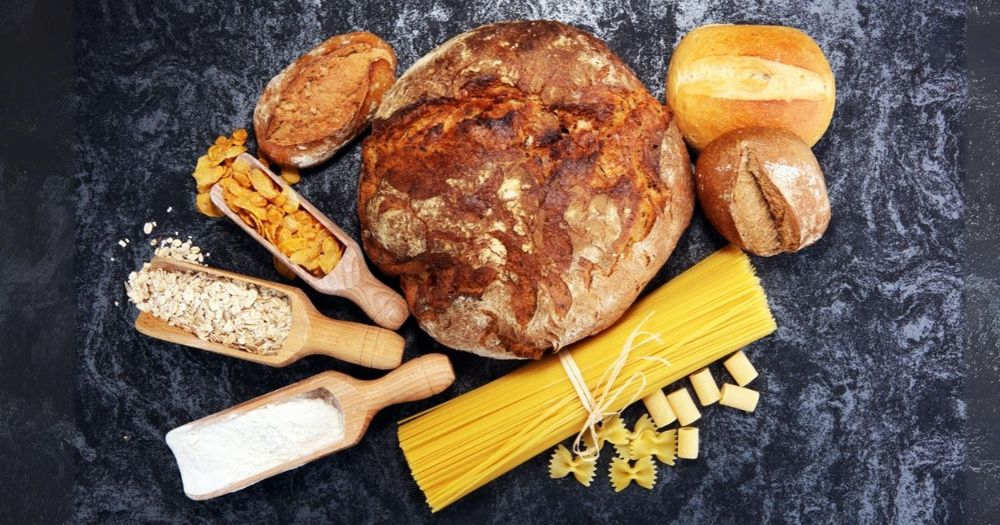
A friend cuts out bread, pasta and cereal, and a month later the bloating has gone, the afternoon slump has gone, and so have a few inches round the middle. Another friend rolls their eyes and calls it a fad. Wheat has fed half the world for ten thousand years, after all.
Both of them are partly right, and the useful part is working out which reasons hold up. Some of the popular explanations for why wheat causes trouble are solid. One or two are myths. And the biggest reason for feeling better without it is often the one that gets left out.
The case against wheat
The modern argument was made famous by William Davis in his book . His case runs like this: wheat has changed a great deal in the last century, it drives blood sugar up faster than most foods, it keeps people hungry and eating, it adds fat around the waist, and it irritates the gut and even affects mood. Take it out, he argues, and much of that reverses.
The friend in the opening would agree with the last part. The question is why it works, because the answer tells you what to do next.
Blood sugar: the part that holds up best
Refined wheat is digested fast. White bread, bagels, crackers, most breakfast cereals and pasta break down into glucose quickly, and two slices of white bread push blood sugar up about as much as the same amount of table sugar.
That fast rise is followed by a fall, and the fall is where the mid-afternoon dip in energy and the craving for something else to eat come from. In a Western diet, wheat is often the biggest single source of carbohydrate in the day, so cutting it is the quickest way to lower the total. That's why dropping wheat so often feels like the start of a low-carb diet, because it is one. When I dropped wheat, the afternoon slump I'd come to expect went with it, and my energy stayed level through the day.
Bloating: real, but often misread
I used to get bloated after meals, after bread most of all, and it settled once I cut back on wheat. That kind of relief is real, but gluten is often the wrong suspect. Coeliac disease, a serious reaction to gluten, affects about one person in a hundred. Its link with wheat was found in a wartime bread shortage, as Why Am I Always Tired: When Chronic Exhaustion Has a Cause That Sleep Can't Fix tells. It needs a proper test while gluten is still in the diet, because the test stops working once you cut it. Coeliac UK says to keep eating gluten every day for at least six weeks before testing, so if you've already cut it, ask before you test.
You can feel better off wheat without having coeliac disease, and then the trouble often comes from fructans, fermentable carbohydrates in wheat that gut bacteria ferment into gas. The same carbohydrates sit in onions, garlic and some fruit, which is why gluten-free bread can fix the problem for one person and leave another as bloated as before.
When 59 people who believed gluten upset them were tested blind on gluten, fructans and a dummy, 24 felt worst on fructans, 22 on the dummy and only 13 on gluten.
Expectation plays a part too. In a blinded trial of 83 people who believed gluten upset them, those who ate gluten without expecting it had no more gut symptoms than those who ate none and expected none. Those who expected it and got it had the worst. That says nothing against fructans, only that gluten isn't always what you're feeling.
The same goes if you feel fine. When 60 healthy Danish adults spent 8 weeks on a low-gluten diet and 8 on a high-gluten one, the low-gluten weeks brought less bloating and changes in their gut bacteria. The authors put most of that down to the change in dietary fibres, and not gluten itself.
Weight: what else leaves with the wheat
The reason that gets left out is the plainest one. Weight often goes when wheat goes, because wheat arrives wrapped in pastries, biscuits, pizza, sandwiches, cakes and crackers, and those go too. Fewer of those foods and fewer carbohydrates overall is a reliable recipe for eating less without counting.
The trap is the gluten-free aisle. Gluten-free bread, pasta and biscuits are usually made from rice, potato and tapioca starch, which raise blood sugar at least as fast as wheat and carry less fibre. A gluten-free biscuit is still a biscuit. Swap wheat products for gluten-free versions of the same thing and most of the benefit disappears.
It may cost you elsewhere too. Among 7,471 Americans, the 73 on a gluten-free diet had nearly double the urinary arsenic, and more mercury and cadmium, probably because so much of that food is made from rice flour. It's a small group and it can't prove cause, but I'd skip the copies anyway.
Cravings: plausible, unproven
When gluten is broken down in a test tube, some of the fragments, known as gluteomorphins or gluten exorphins, look like the body's own opioid-like compounds, and that's the basis for the idea that wheat is addictive. Whether they reach the brain and drive appetite in a living person is still unproven. The explanation that fits what people describe is plainer: fast-digesting starch, a blood sugar dip an hour or two later, and food designed to keep you eating.
Seeds that defend themselves
A grain is a seed, and a seed has every reason to protect itself from being eaten. Wheat carries proteins called amylase-trypsin inhibitors, a natural pesticide against insects, and in the human gut they switch on immune cells and stoke inflammation, which may explain part of why people without coeliac disease react to wheat. It also carries lectins, such as wheat germ agglutinin, which can bind to the cells lining the gut. And in a small lab test, gliadin, part of gluten, made gut tissue more permeable in all four groups tested, including people with no gluten problem at all. That was a handful of biopsies in a dish, not people eating bread, so it's only a lead.
Then there are the chemicals farmers add. Wheat and oats are sometimes sprayed with the weedkiller glyphosate shortly before harvest to dry the crop evenly, which leaves more residue in the grain than spraying earlier in the season. Organic grain avoids that.
The claims that fall apart
Two claims that travel with the wheat argument are wrong. Almost none of the wheat you eat is genetically modified. Modern wheat was bred, the old-fashioned way, for short strong stems and heavy yields. And modern wheat carries about the same total amount of gluten as the varieties grown a century ago. The balance between gluten's two main proteins has shifted, but the total has barely moved.
A third claim doesn't hold up, at least so far. Across 110,017 people followed for 26 years, gluten intake showed no link with heart disease once other risk factors were allowed for. So cut wheat for how you feel, and not for your heart.
Ancient wheats such as spelt and einkorn are still wheat, with gluten of their own, so they suit people who simply prefer them, but they're no answer for coeliac disease. Quinoa, millet, buckwheat and rice come from different plants altogether.
Whole wheat is no rescue
Whole wheat sounds like the healthier choice, and for blood sugar it barely is: bread made from finely milled whole wheat raises blood sugar almost as fast as white, because milling the grain to powder does much of the digestive work in advance. Wholemeal bread has a higher glycaemic index than a Snickers bar, because the fat and peanuts in the chocolate bar slow it down. That isn't a recommendation for the Snickers.
The bran brings problems of its own. It carries phytates, compounds that hold on to iron, calcium and zinc in the gut so less of them gets absorbed, and its rough, insoluble fibre is what sensitive guts often react to most. If wheat stays on your plate, long-fermented sourdough is the gentlest form, because the long rise breaks down much of the fructan and some of the phytate before the bread reaches you. Supermarket bread skips that rise, and 10 Grocery Shopping Hacks the Supermarket Would Rather You Skip has how that came about.
Why carnivore and keto eaters feel it most
On a keto or carnivore diet, wheat is usually the first thing to go, and the bloating, the cravings and the afternoon slump often go with it. The mechanisms above explain most of that: far fewer fast carbohydrates, steadier blood sugar, and almost nothing left for gut bacteria to ferment. Strict versions go further and drop every grain, rice, oats and corn included, for the same reasons. Dropping wheat alone gets you a good part of the way there, and Paul Saladino's makes the case for going further.
The oldest evidence points the same way. Ötzi, the 5,300-year-old mummy found in an Alpine glacier, lived in the early days of farming, and his stomach held a remarkably high proportion of fat, with wild meat and some cereal.
Being fed isn't the same as being well fed. A review of the shift from foraging to farming reports declining health in 19 of 21 societies, and adult height falling across the globe as reliance on crops grew. Seasonal hunger, single crops and crowding all played a part, so that isn't down to grain alone. Ancient Egyptians paid with their teeth as well, worn down by the sand and rock left in their bread.
What goes on the plate instead
The easiest swap is to stop looking for a copy of bread and build meals that never needed it. Eggs in the morning, cooked in butter. Meat or fish at lunch and dinner, and a boiled egg or some cold meat when you're hungry in between. Protein and fat digest slowly, so meals like these keep you full for hours and leave no gap for the sandwich or the bowl of pasta that used to fill the plate.
Eating out is where it's easiest to slip. Order the steak, the burger without the bun or the omelette, and ask for sauces on the side, because flour is a common thickener and hides in gravies and dressings. The bun was never the good part.
Test it yourself
The only answer that counts is your own. Note your meals and how you feel for a week, then drop wheat completely for three or four weeks, including the hidden sources: soy sauce, gravies, coatings, sauces and many processed meats. Carry on with the notes, then bring wheat back for a few days and watch what happens. If you suspect coeliac disease, get tested before you start, while wheat is still in your diet.
The first week is usually the hardest. Cravings for bread and something sweet peak in the first few days, and you may feel tired or headachy as the body adjusts to fewer carbohydrates, much like the keto flu, when the water the body sheds takes salt, potassium and magnesium with it. Salting your food a little more generously with good unrefined salt, such as , helps, unless your blood pressure means you have to limit salt, and the cravings usually fade by the second week. Things may slow down in the gut for a while, since the bran was doing some of that work, and more water, the extra salt and enough fat usually get them moving again.
Your own answer
The friend who cut wheat and lost the bloating had good reasons, and the one calling it a fad had a couple of myths to point at. Wheat is a staple with a catch: it's often the biggest source of fast carbohydrate in the day, a reliable source of bloating, and a seed with defences of its own. Set the myths aside and the case for cutting it still stands. I cut wheat for the bloating and stayed off it for the energy.
Start the notes this week, and give wheat-free a full month before you decide.
Still bloated after cutting wheat? Foods That Upset Your Gut: What's Real and What's Personal — why some foods bloat almost everyone, which reactions are personal, and how to find your own triggers.
Craving bread and sweets by mid-afternoon? The Hidden Science of Sugar Cravings — how blood sugar swings drive cravings, and how to break the cycle.
Know someone who's always bloated after a sandwich? Send them this. A month without wheat might answer a question they've had for years.
Disclaimer: This article is general information. For advice about your own diet or health, talk to a qualified health professional. If you think you may have coeliac disease, get tested before you cut out wheat, because the test only works while gluten is still in your diet.
Affiliate Disclosure: This article contains affiliate links. As an Amazon Associate, All For Life earns from qualifying purchases, at no extra cost to you. We only link to books and products we would recommend without the commission.
Sources
Atkinson FS, Foster-Powell K, Brand-Miller JC (2008). International Tables of Glycemic Index and Glycemic Load Values: 2008. Diabetes Care 31(12):2281–2283. doi.org/10.2337/dc08-1239
Wikipedia. Coeliac disease. en.wikipedia.org
Coeliac UK. Getting diagnosed. coeliac.org.uk
Skodje GI, Sarna VK, Minelle IH, et al. (2018). Fructan, Rather Than Gluten, Induces Symptoms in Patients With Self-Reported Non-Celiac Gluten Sensitivity. Gastroenterology 154(3):529–539.e2. doi.org/10.1053/j.gastro.2017.10.040
de Graaf MCG, Lawton CL, Croden F, et al. (2024). The effect of expectancy versus actual gluten intake on gastrointestinal and extra-intestinal symptoms in non-coeliac gluten sensitivity: a randomised, double-blind, placebo-controlled, international, multicentre study. The Lancet Gastroenterology & Hepatology 9(2):110–123. doi.org/10.1016/S2468-1253(23)00317-5
Hansen LBS, Roager HM, Søndertoft NB, et al. (2018). A low-gluten diet induces changes in the intestinal microbiome of healthy Danish adults. Nature Communications 9(1):4630. doi.org/10.1038/s41467-018-07019-x
Bulka CM, Davis MA, Karagas MR, et al. (2017). The Unintended Consequences of a Gluten-free Diet. Epidemiology 28(3):e24–e25. doi.org/10.1097/EDE.0000000000000640
Brouns F, Shewry PR (2022). Do gluten peptides stimulate weight gain in humans?. Nutrition Bulletin 47(2):186–198. doi.org/10.1111/nbu.12558
Junker Y, Zeissig S, Kim SJ, et al. (2012). Wheat amylase trypsin inhibitors drive intestinal inflammation via activation of toll-like receptor 4. Journal of Experimental Medicine 209(13):2395–2408. doi.org/10.1084/jem.20102660
Dalla Pellegrina C, Perbellini O, Scupoli MT, et al. (2009). Effects of wheat germ agglutinin on human gastrointestinal epithelium: Insights from an experimental model of immune/epithelial cell interaction. Toxicology and Applied Pharmacology 237(2):146–153. doi.org/10.1016/j.taap.2009.03.012
Hollon J, Puppa E, Greenwald B, et al. (2015). Effect of Gliadin on Permeability of Intestinal Biopsy Explants from Celiac Disease Patients and Patients with Non-Celiac Gluten Sensitivity. Nutrients 7(3):1565–1576. doi.org/10.3390/nu7031565
Wikipedia. Glyphosate. en.wikipedia.org
Wikipedia. Genetically modified wheat. en.wikipedia.org
Pronin D, Börner A, Weber H, Scherf KA (2020). Wheat (Triticum aestivum L.) Breeding from 1891 to 2010 Contributed to Increasing Yield and Glutenin Contents but Decreasing Protein and Gliadin Contents. Journal of Agricultural and Food Chemistry 68(46):13247–13256. doi.org/10.1021/acs.jafc.0c02815
Lebwohl B, Cao Y, Zong G, et al. (2017). Long term gluten consumption in adults without celiac disease and risk of coronary heart disease: prospective cohort study. BMJ :j1892. doi.org/10.1136/bmj.j1892
Wikipedia. Phytic acid. en.wikipedia.org
Loponen J, Gänzle MG (2018). Use of Sourdough in Low FODMAP Baking. Foods 7(7):96. doi.org/10.3390/foods7070096
Fraberger V, Call LM, Domig KJ, D’Amico S (2018). Applicability of Yeast Fermentation to Reduce Fructans and Other FODMAPs. Nutrients 10(9):1247. doi.org/10.3390/nu10091247
Maixner F, Turaev D, Cazenave-Gassiot A, et al. (2018). The Iceman’s Last Meal Consisted of Fat, Wild Meat, and Cereals. Current Biology 28(14):2348–2355.e9. doi.org/10.1016/j.cub.2018.05.067
Mummert A, Esche E, Robinson J, Armelagos GJ (2011). Stature and robusticity during the agricultural transition: Evidence from the bioarchaeological record. Economics & Human Biology 9(3):284–301. doi.org/10.1016/j.ehb.2011.03.004
Wikipedia. Ancient Egyptian medicine. en.wikipedia.org
Bostock ECS, Kirkby KC, Taylor BV, Hawrelak JA (2020). Consumer Reports of “Keto Flu” Associated With the Ketogenic Diet. Frontiers in Nutrition 7:20. doi.org/10.3389/fnut.2020.00020