
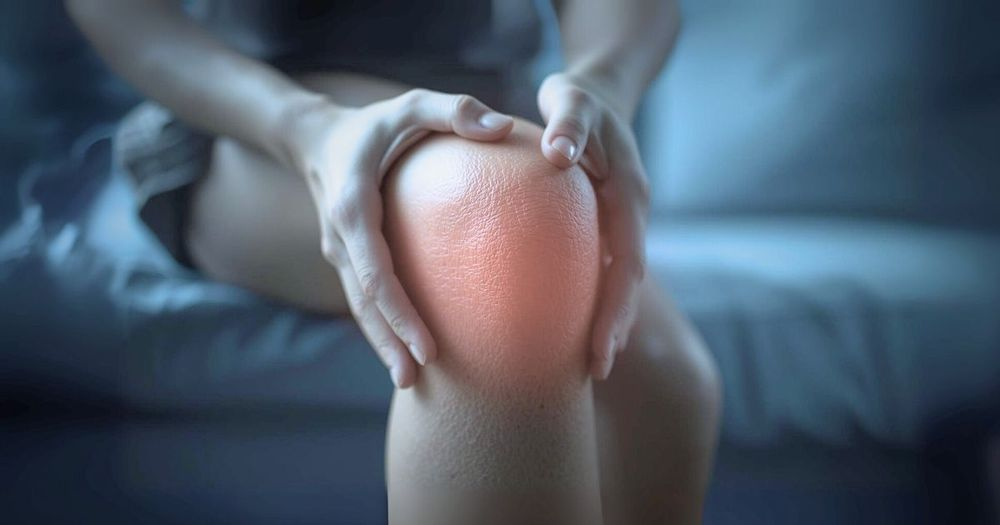
My neighbor used to jog five miles every morning before most people had their coffee. Two years later, he drives to his mailbox. When his knees started aching, he was told to rest them, and he rested thoroughly, cutting out almost everything that involved being on his feet.
His mobility narrowed as the months passed. I watched him go from someone who ran before breakfast to someone who winces getting out of his car. His 78-year-old mother, meanwhile, still walks her dog twice a day and gardens without much complaint. She kept moving when her knees started creaking at 65, adjusting what she did rather than stopping.
The contrast points to something worth understanding. Cartilage appears to depend on movement for much of its nutrition, and long stretches of inactivity seem to work against it. None of that makes rest the enemy. Rest has its place, particularly during an acute flare or after an injury. The trouble tends to start when short-term rest quietly becomes a permanent habit, and each avoided walk or flight of stairs makes the next one feel harder.
The reason comes down to how cartilage gets fed. It has no blood supply of its own, so it draws nutrients from synovial fluid, and the pressure of movement pumps that fluid in and out of the tissue, roughly the way squeezing and releasing a sponge draws water through it. This exchange delivers nutrients and clears waste. When movement stops for long periods, that exchange slows, and comfort and function often decline with it.
Food plays a parallel role, since some eating patterns appear to raise background inflammation while others may lower it. Adding a handful of anti-inflammatory foods on top of a mostly inflammatory diet tends to produce little noticeable change. Sleep matters too, because the positions you hold for seven or eight hours a night can either ease or add to joint stress.
None of this is a cure, and cartilage already worn stays that way. What follows is a set of lifestyle measures that may support joint comfort, mobility, and the tissue around the joint, drawn from how people who stay mobile into their 80s tend to live compared with those who become sedentary decades earlier.

Why Gentle Movement Tends to Help Joints More Than Prolonged Rest
Complete, extended rest appears to work against cartilage rather than for it. A useful way to picture it is a rechargeable battery that needs regular charging cycles to hold its capacity. Movement drives those cycles, pumping nutrients in and waste out. A battery left dead for months tends to degrade, and cartilage that goes unused for long stretches seems to follow a similar pattern.
This runs against the intuition many people reach for when a joint hurts, which is to stop using it entirely. Backing off makes sense for a fresh injury, but when the pause stretches into months, a common pattern takes over: a knee starts aching, imaging shows some arthritis, and rest is advised. When rest becomes the whole plan, function can quietly collapse even though the imaging looks the same six months later. It is common to see someone with worse-looking films stay active and capable simply because they never stopped moving, a hint that what shows up on a scan and how a joint performs can be two different things.
There is a rough, everyday signal worth noticing, one to read as a signal and not a diagnosis. After sitting still for half an hour, healthy joints tend to feel close to normal within a few steps of standing up. Needing several minutes to loosen up, a phenomenon clinicians call articular gelling, is common, and it often gets blamed on age, though inactivity may play a larger role than the number on your birthday. One pattern deserves closer attention: morning stiffness that drags on well past an hour, or a joint that turns hot, red, and swollen, leans toward inflammatory arthritis, and that is a reason to see a doctor rather than to wait it out. If prolonged stiffness after sitting is new or worsening, that too is worth raising with a clinician before you label it yourself.
Grip and hand strength are worth keeping up as well, since hand strength tracks loosely with overall physical resilience. If you want a simple way to work on it, a lets you maintain hand and forearm strength with a few minutes of use.
The simplest place to begin is a daily walk. It is the most accessible way to keep that fluid exchange going, and the more targeted options fit around it rather than replacing it.
Strength around a joint matters as much as motion through it. The muscles that cross a joint work as its shock absorbers and stabilizers, so building the quadriceps takes load off an aching knee and stronger hips steady the whole leg. This ranks among the best-supported approaches for wear-related joint pain, and how to train for it without provoking a flare is the subject of its own guide rather than something to compress here.
Moving Safely When a Joint Is Sore
Some movement supports joints even during a flare. Gentle range-of-motion work, such as arm circles, leg swings, and ankle rotations, moves a joint through its natural path without loading it. Water-based movement, like walking in a pool, keeps that pumping action going while the water carries much of your weight. Resistance bands add controlled, adjustable load so you can give the joint a useful stimulus while staying inside a comfortable range.
Other movement tends to aggravate an actively inflamed joint. High-impact activity such as running or jumping while a joint is swollen or hot can set back healing, so it is better saved for calmer periods. Aggressive stretching during acute inflammation can irritate already-sensitive tissue, and pushing into sharp pain rarely pays off. Even in a flare, though, staying completely still removes the gentle pumping that cartilage relies on, so small, careful movements usually beat total bed rest.
For controlled work during sore periods, a gives you adjustable resistance you can dial down as needed. A can help keep the surrounding muscles and tissue supple and improve blood flow without pressing directly on an inflamed joint.
Anti-Inflammatory Foods That May Ease Joint Discomfort
What you eat appears to influence background inflammation, and eating with that in mind consistently tends to matter more than any single "health food." Inflammatory activity in the body seems to follow a daily rhythm, often running higher in the morning. That makes breakfast a reasonable place to start. Beginning the day with refined sugar and heavily processed oils may set an inflammatory tone that carries into the afternoon, while a breakfast built around whole foods may do the opposite. It could help explain why some people feel stiff and flat by mid-afternoon while others hold steadier, though individual responses vary.
The Foundation Foods
Fatty fish such as wild-caught salmon, mackerel, sardines, and anchovies supply the omega-3 fats EPA and DHA, which appear to dampen inflammatory signaling. The clearest joint benefit shows up in inflammatory types of arthritis rather than plain wear-related osteoarthritis, but fish earns its place either way, since it also carries protein and fat-soluble nutrients the body uses to maintain tissue. Eating fish a couple of times a week tends to give steadier benefit than occasional supplementation.
The most reliable building blocks for joint tissue, though, come from the animal foods most modern diets skip. Bone broth, slow-cooked cuts, and organ meats supply collagen, glycine, and the minerals cartilage draws on, and this part of eating tends to do more for joints over time than any single vegetable. It is covered in depth in the dedicated joint-diet guide rather than repeated here.
Plants play a supporting role, and an individual one. Berries and some vegetables carry antioxidants that help many people, yet the response varies more than most food writing admits. High-oxalate greens such as spinach and Swiss chard aggravate some people's joints rather than helping, and nightshades do the same for others, so these are worth testing on yourself rather than assuming. Tart cherry has drawn research interest for joint comfort, though the trial evidence is mixed, and frozen berries hold antioxidant levels comparable to fresh.
Combining Foods for Better Effect
Pairing omega-3-rich fish with a healthy fat seems to work better than eating either alone. Salmon cooked in extra-virgin olive oil, for example, brings omega-3s and the olive-oil compound oleocanthal together in one plate. If you tolerate berries, eating them with a meal that already contains some fat may improve how well their anthocyanins are absorbed, since those compounds travel more readily alongside fat. Extra-virgin olive oil is worth leaning on as an everyday cooking fat, partly because oleocanthal has shown mild anti-inflammatory activity in lab studies.
A few habits blunt these benefits. Heavily processed versions lose much of what makes the whole food useful, and overcooking can destroy heat-sensitive antioxidants. Cooking omega-3-rich fish at very high heat oxidizes the fats you were eating it for.
If a convenient source of anthocyanins helps you stay consistent, concentrates them in an easy daily form. For a structured way to put all of this on the table, offers straightforward meal planning built around foods that support joint health.

Foods That May Worsen Joint Inflammation
Your food choices seem to push inflammation up or down through pathways that run more or less continuously. Adding anti-inflammatory foods while still eating heavily inflammatory ones tends to cancel much of the gain, a bit like filling a bucket that has a hole in the bottom.
Some inflammatory triggers are easy to miss because they hide inside foods marketed as healthy. Certain "natural" flavorings and preservatives come from sources that appear to provoke a response in sensitive people, so the label alone tells only part of the story.
The Main Offenders
Refined sugar appears to raise inflammatory markers within hours of a high-sugar meal, and it hides in places people rarely check, including tomato sauce, salad dressing, bread, and products labeled natural. A sandwich that reads as healthy can carry a surprising amount of added sugar across the bread, condiments, and processed meat. Reading labels closely tends to be eye-opening, since a morning smoothie built on fruit juice and honey can hold more sugar than a can of soda.
Heavily processed vegetable oils such as soybean, corn, and sunflower oil are high in omega-6 fats, and the modern diet already leans heavily in that direction. Most restaurant food is cooked in these oils because they are cheap and stable, so a meal that looks anti-inflammatory on the menu can arrive cooked in something that works against you. It is reasonable to ask what oil a kitchen uses, even if the answer is often that no one is sure.
Finding Your Own Trigger Foods
Food sensitivities are individual, and only some people carry ones that reach the joints. Gluten may provoke inflammation in a minority of people, dairy can do the same in those who react to it, and the alkaloids in nightshade vegetables such as tomatoes, potatoes, peppers, and eggplant bother some people while leaving others unaffected. The response to a trigger food is frequently delayed by a day or more, which makes immediate reactions an unreliable guide.
The way people sort this out is elimination followed by reintroduction, with morning stiffness as a rough marker. A suspected food comes out for a stretch, the morning stiffness window either shortens or holds, and then the food goes back to see whether symptoms return. That delay is exactly why a single-day test rarely settles anything. Some people find no dietary triggers at all; others find one or two that clearly matter. The dedicated joint-diet guide covers how this works in more depth.

Body Weight and the Load on Your Joints
Food does a second job for joints that has nothing to do with inflammation. Every pound of body weight lands on the knees several times over with each step, since the knee carries a multiple of bodyweight as it bends and straightens through a stride. That multiplier is why extra weight wears on the knees and hips out of proportion to the number on the scale, and why people carrying less tend to keep their joints working longer.
The encouraging part is that it cuts both ways. Losing even a modest amount of weight takes a disproportionate load off the joint, so the same eating changes that lower background inflammation pay off a second time by lightening what the cartilage has to absorb. For anyone already working on the food side, this is one effort producing two separate benefits rather than a new project to take on.
Heat and Cold for Joint Pain: When Each Tends to Help
Temperature is a simple lever for joint pain, and the whole trick is matching the direction to the situation: heat for chronic, non-inflamed stiffness, and cold for an active, swollen flare. Heat increases blood flow to a joint, bringing nutrients and relaxing the surrounding muscles that add to stiffness and pain, which is why it suits settled, stiff joints best. Sustained warmth reaches deeper than a brief touch, and moist heat penetrates better than dry. Warming a joint ahead of activity can prepare the tissue and make movement more comfortable.
Cold does close to the opposite. It appears to slow inflammatory activity, quiet pain signals, and limit fluid buildup, which makes it the better choice during an active flare when a joint is swollen, warm, or red. A thin towel between the cold pack and skin matters here, since prolonged direct contact risks frostbite, and cold right after activity helps keep exercise-related inflammation in check.
Simple tools work fine. A bag of frozen peas molds to a joint better than a rigid ice pack and spreads the cold evenly. A damp towel warmed in the microwave for a minute or so delivers moist heat, though it is worth testing the temperature first to avoid a burn.
The main mistakes are using the wrong one for the moment. Heat on an actively inflamed joint can increase swelling, since it opens blood vessels and can add to fluid buildup. Cold on plain chronic stiffness with no inflammation can cut helpful blood flow and leave the area feeling worse. When you are unsure whether a joint is inflamed, warmth and swelling are the cues to favor cold and hold off on heat.
For steady, controlled warmth on chronic stiffness, an is easy to use. It holds an even temperature far longer than a towel that cools within a minute or two, which makes the warmth easier to sustain.
How Sleep Position Affects Joint Comfort
Some morning joint pain has less to do with the joint itself than with the hours spent in an awkward position overnight. Sleeping face-down holds the neck and lower back in extension for hours at a stretch, and side-sleeping without support can compress the shoulder and hip. Plenty of people wake stiff and assume the cause is arthritis when a good part of it may be positional. A pillow between the knees when you sleep on your side helps keep the hip and lower back aligned, and a thin pillow under the stomach for face-down sleepers can reduce the strain on the lower back. If morning stiffness is stubborn, small changes to how you lie are cheap to try and worth ruling in or out before assuming the worst.
Sleep quality plays its own part, since much of the body's tissue repair happens during deep sleep. A cool room, roughly 65 to 68°F, tends to support both deeper sleep and the overnight repair processes, while a warm room can fragment sleep. Keeping the bedroom dark helps as well, since light exposure disrupts melatonin.
For neck support that keeps the spine in a neutral line, a can reduce the overnight strain that lies behind a good share of morning stiffness.

Bringing Movement, Food, and Recovery Together
Joint comfort tends to respond to the combination of movement, nutrition, and rest rather than to any single fix. People often stall because they lean entirely on one lever, chasing a supplement or a workout while ignoring the rest, and miss how connected these pieces are.
A sensible place to begin is your biggest limitation. If morning stiffness dominates, lean into gentle movement and heat. If pain builds as the day goes on, put more weight on anti-inflammatory eating and on managing stress. It also helps to reduce the inflammatory inputs before expecting the supportive ones to do much, since it is hard to make progress while actively feeding the problem.
Build changes gradually instead of overhauling everything at once, because consistency with a few simple habits tends to outperform brief bursts of a complicated plan. Pay attention to how your own body responds, since that feedback tells you more about your individual pattern than any general rule can.
One caveat on reading those signals: plenty of people are certain their joints forecast rain, yet the evidence tying joint pain to barometric pressure is weak and mixed, and attention may account for some of the link. Your own record of stiffness set against what you did and ate holds up better than the sky does.
None of this is fast. Whatever benefit comes tends to accumulate slowly and quietly over months. It is reasonable to think of steady movement, better meals, and good sleep as ongoing maintenance for mobility and independence, closer to upkeep than a cure. People are sometimes surprised by how much function they can regain with consistent support, even when the imaging looks the same, though results vary and worn cartilage stays worn. For a joint already severely worn, close to bone on bone, these habits still ease comfort and slow the decline, though there they work alongside medical or surgical care rather than standing in for it. What often improves is comfort, strength around the joint, and what you are able to do day to day.
What This Means for Your Joints
Set the two of them side by side and the outcome runs backward from what you would guess. The younger man lost his mobility to rest, while his mother, more than a decade older, kept hers by adapting and continuing to move. What separated them came down to whether the joint kept getting asked to work, more than to anything a scan would show. Rest still had its place for each of them, particularly early on, and the trouble was letting a temporary pause harden into a permanent one.
Your joints keep a running tally. Each day you avoid the stairs because they ache, each heavily inflammatory meal, and each extra pound the knee has to carry adds to one side of the ledger. Balancing them on the other side are the days you move within a comfortable range, the anti-inflammatory meals, and the solid nights of sleep. Progress here is unglamorous and made of ordinary days, which is exactly why it is easy to abandon before it adds up.
Quick fixes rarely deliver. People try a diet for two weeks, take supplements when they remember to, and then conclude nothing works, often quitting a routine right as it was starting to help. Joints respond to what you do on most days, repeated over months and years.
Your joints are still capable of feeling and functioning better at almost any age, and reaching that usually means doing things a little differently than you have been. If pain is severe, persistent, or getting worse, that is a reason to see a clinician rather than to push through it alone. Past that, the choice is the quiet one made on every ordinary day: a joint keeps what you keep asking of it, and gives up what you stop asking.
The food side does more for a joint than any single supplement. Why Your Anti-Inflammatory Diet Isn't Helping Your Joints covers the eating changes that actually reach the joint, the guide this article keeps pointing to.
Ready to put the movement side into practice? What Your Workouts Are Doing to Your Joints covers how to train and strengthen around a joint without wearing it down, the depth this article points to.
Know someone who was told to rest a sore joint and slowly stopped moving altogether? This might be worth sharing. It is written for anyone who wakes up stiff and takes a while to loosen up, or who assumes an aching joint means they should stop using it, and it makes the case that gentle, consistent movement usually supports joints better than sitting still.
Disclaimer: This article provides educational information about lifestyle approaches to joint health and is intended for informational purposes only. The author is not a licensed healthcare professional and does not provide medical advice. Individual responses vary based on health status, medications, and personal circumstances. Before starting any new movement, nutrition, or therapy routine, especially if you have a health condition or take medication, consult a qualified healthcare professional. Persistent, severe, or worsening joint pain should be evaluated by a clinician. This information is intended to complement, not replace, professional medical care.
Affiliate Disclosure: As an Amazon Associate, I earn from qualifying purchases. Some product mentions are based on personal research and experience. Always read product labels and consult a healthcare provider before purchasing supplements.