
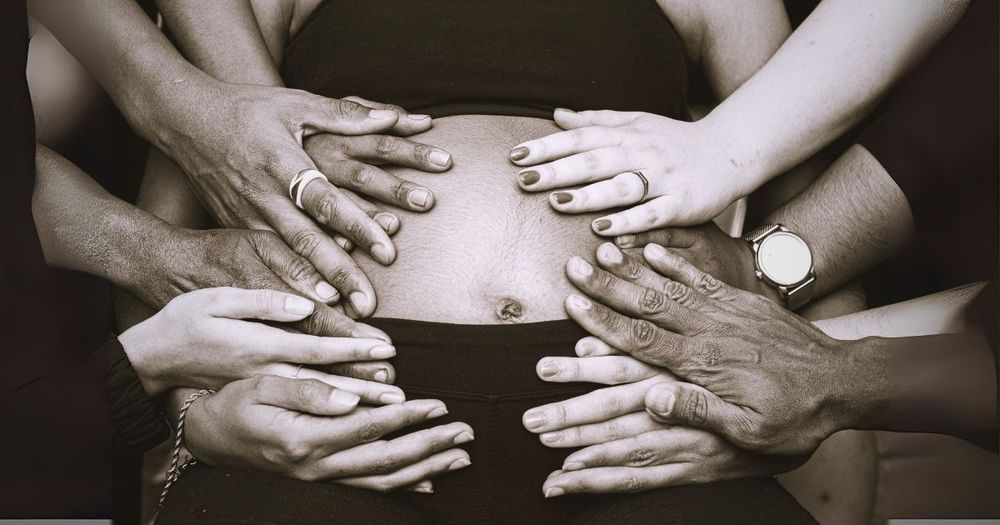
Another month, another single line on the test. By now the waiting has its own rhythm: the hopeful fortnight, the late-night forum threads, the basket of supplements promising balance and vitality, and a little more money spent every time the line stays single. About one person in six runs into trouble conceiving at some point, and the market selling them hope is huge.
A few fertility herbs have real evidence behind them, for specific problems, and are worth trying. Others rest on tradition and little else. And some of the changes that matter more than any capsule cost nothing, starting with a clock of about ten weeks hidden in the biology and a half of the problem that gets far less attention than it deserves.
What "helps fertility" means
Fertility depends on a long chain of events across two people: hormones sending the right signals at the right time, eggs and sperm developing well, the lining of the womb being ready, and the timing lining up. Herbs and nutrients work on the conditions that conception depends on, and that's the most they can do.
That distinction matters when you read the claims. Improving a hormone level or a sperm count is one thing. Raising the chance of a baby is another, and far fewer products have shown that. Treat anything natural as support for the process, used alongside proper checks, and never as a replacement for finding out what's wrong.
The seventy-four-day rule
A sperm cell takes around two and a half months to develop from start to finish. The sperm a man carries today were already in production before he changed anything, which means a new supplement, a better diet or giving up smoking shows up in the batch after next. Eggs are similar: each one spends months maturing before the cycle it's released in, shaped by the conditions of the months before.
That's why a month's trial so often gets written off too soon. They stopped before the change could reach the cells it was aimed at. Three months is the minimum fair test for any change, herbal or otherwise, and six is more realistic.
Aim for the days before
Timing matters as much as anything else here. Conception happens almost entirely from sex in the six days that end on the day of ovulation, and the best odds fall on the two days before it. Sperm can survive for several days waiting for an egg, while an egg lasts about a day once it's released, so aiming at ovulation day itself catches only the tail of the window. Sex every day or two through the middle of the cycle covers it without turning it into a schedule, and ovulation tests, which pick up the hormone surge a day or so before the egg is released, show where the window falls. An covers months of ovulation and pregnancy testing.
Apps that predict ovulation from past dates alone are guessing: when 221 women tracked their hormones over 696 cycles, only about three in ten had their fertile days fall entirely within the textbook days 10 to 17, even with regular cycles. Treat the app as a starting point and let the tests confirm it.
Timed sex can also drain the joy out of it. When every encounter is scheduled around a test, desire can fade on both sides, and performing on cue is its own kind of pressure. Keeping sex going through the whole month, the "wrong" days included, takes the pressure off and still covers the window.
Check the lubricant too. In lab tests, several common ones slowed sperm down and two damaged the DNA inside them, while a sperm-friendly one, Pre-Seed, did neither.
Herbs with real evidence
Only a handful of herbs have evidence good enough to take seriously, and even these work on particular problems, each with its own target.
Vitex (chaste tree berry) comes with an ironic history: its old name is monk's pepper, because medieval monks were said to use the berries to dampen desire, which is how the chaste tree got its name. Today it's bought to help make babies. It acts on the pituitary gland and lowers prolactin, a hormone that, when it runs high, shortens the second half of the menstrual cycle and weakens the progesterone that prepares the womb. In women with that specific pattern, vitex has lengthened that post-ovulation stretch and raised progesterone over about three months. In women with normal cycles and normal hormones, there's little reason to expect much. For the pattern it suits, as a standardised extract keeps each capsule consistent over the months it needs.
Ashwagandha, whose Sanskrit name means roughly "smell of a horse" after the root's smell and the strength it was supposed to give, has the strongest case of any herb for men. In men whose sperm counts ran low, three months of ashwagandha raised sperm count and movement and lowered the stress hormone cortisol, with testosterone rising alongside. The link makes sense: long stress suppresses reproductive hormones in both sexes, and ashwagandha seems to ease that suppression. It belongs in the months before conception.
CoQ10 is technically a nutrient, and it earns a place here. Eggs and sperm are among the most energy-hungry cells in the body, and CoQ10 sits at the heart of how cells make energy. In younger women with a reduced egg supply going through IVF, taking CoQ10 beforehand improved how the ovaries responded and the quality of the embryos. In men, it has improved sperm movement and reduced damage to sperm DNA.
The maybes
Maca is popular for energy and sex drive, and its effect on sperm is mixed: some small groups of men showed modest gains, others showed none. Tribulus is sold heavily to men, and the results for sperm and testosterone are inconsistent. Milk thistle supports the liver, which clears used hormones from the body, so the link to fertility is plausible and indirect. Red raspberry leaf and evening primrose oil come with long traditions and little evidence for helping conception. None of these is dangerous in ordinary use, and none should be the thing you pin your hopes on, so skip them if the budget is tight.
Two to be careful with
Dong quai is a mainstay of traditional Chinese remedies for women's health. It can act on the muscles of the womb and may bring on a miscarriage, and it strengthens the blood-thinning effect of warfarin, which makes it a poor choice to take on your own while trying to conceive, and one to stop well before any procedure.
Ginkgo is sold for circulation, and its fertility evidence comes almost entirely from animal work. It also thins the blood. Other options on this list do the same job with far better evidence in people.
Natural and harmless are different things
Plants make powerful chemicals, many of them to protect themselves, and herbs that change hormones are by definition active. Vitex, ashwagandha, dong quai and ginkgo should all stop once a pregnancy is suspected. Vitex can clash with the pill, HRT and medicines that act on dopamine, including those for Parkinson's. If you're on fertility treatment, blood thinners, antidepressants, thyroid or diabetes medicines, check every supplement with whoever prescribes them before starting it.
Herbs can also hide a problem. If something makes a cycle look more regular without fixing what's behind it, the real cause carries on underneath. Track things you can measure, such as cycle length, ovulation tests and a repeat semen test, alongside how you feel.
Nutrients that outweigh most herbs
A few nutrients carry more weight than any herb, and they're worth checking before buying anything.
Vitamin D works as a hormone in all but name, and it acts directly on the reproductive system in both sexes. Women going through IVF with healthy vitamin D levels were about a third more likely to have a baby than those who were low. A simple blood test settles where you are, and summer sun, oily fish and egg yolks all help.
Folate and B12 are needed to copy DNA every time a cell divides, which makes them central to building eggs, sperm and, later, a baby. Folate before conception also protects against neural tube defects such as spina bifida. B12 comes almost entirely from animal foods, so it runs low in vegans and vegetarians.
Zinc is essential for making testosterone and sperm. Oysters are the richest source by far, with red meat and eggs well behind. Omega-3 fats from oily fish help with hormone production and calm inflammation. Magnesium is involved in hundreds of processes in the body, including sleep and the stress response.
Test before you top up. Correcting a real shortfall is where the gains are, and a shelf of supplements taken without knowing what's low is harder to manage and more likely to cause interactions. For a deeper read on eggs specifically, goes through what affects egg quality and what can be improved.
The male half
Sperm were first seen in 1677, when Antonie van Leeuwenhoek turned his own microscope on them and called them animalcules, little animals. He believed each one carried a tiny, fully formed person.
Men account, wholly or in part, for about 40% of couples' trouble conceiving, yet the questions and the supplements are aimed mostly at women. That's a mistake, because the male half is often easier to improve.
Sperm counts have fallen by around half worldwide since the early 1970s, and the decline is speeding up. Much of the damage to sperm comes from oxidative stress: sperm have fragile, fatty membranes and little ability to repair their DNA, so they're easily harmed by smoking, heavy drinking, cannabis, excess weight and poor diet. Cannabis has numbers of its own. Among 1,215 young Danish men, those who smoked it more than once a week had about 28% lower sperm concentration, and those who mixed it with other recreational drugs about half. A standard semen test can look normal while the DNA inside the sperm is damaged.
Heat matters too. The testicles hang outside the body because sperm need to stay a little cooler than body temperature. Men who wore boxers had about a quarter higher sperm concentration than men in tighter underwear, and long hot baths, saunas and a laptop resting on the lap all work against the same cooling. It's the cheapest fertility change a man can make.
One warning belongs here above all. Testosterone taken from outside the body, whether gym steroids, testosterone gels or injections sold as a pick-me-up, tells the brain to stop signalling the testicles, and sperm production shuts down. It was tested as a male contraceptive, and in the majority of men it stopped sperm altogether. Production usually recovers after stopping, and it can take many months. A man trying for a baby should know this before taking anything that raises testosterone from outside.
What goes on the plate
Food matters more than any herb on this list. Ultra-processed food, sugar and refined flour drive up blood sugar and insulin, and high insulin disrupts the hormones that control ovulation. That's the story behind PCOS, the commonest reason women stop ovulating regularly, and Testosterone in Women: What It Does and When It's Too High, linked below, has how insulin drives it.
Low-carb eating, keto and carnivore earn their place here. When women with PCOS followed a ketogenic diet, their hormone patterns improved, their weight came down and, for some, their cycles returned to a more regular rhythm. A carnivore approach takes the same idea further and adds a dense supply of the nutrients reproduction runs on: zinc, B12, iron, choline, vitamin A and the fats hormones are built from. Carnivore eating and fertility have barely been tested together, and the common thread across every approach that works is the same: cut the ultra-processed food and sugar, and eat plenty of protein and natural fat.
A large group of American nurses produced two findings worth knowing, both from food questionnaires rather than trials. Women who had full-fat dairy every day had less trouble ovulating than those who rarely ate it, while low-fat dairy went the other way. And those eating the most animal protein had about 40% more ovulatory trouble than those eating the least, in women on a typical Western diet. Links from questionnaires point in different directions and prove little. The keto results in PCOS come from changing what women ate, and they point towards fewer carbohydrates. Fresh meat, fish and eggs carry the nutrients reproduction runs on in their most concentrated form.
Everyday factors: sleep, exercise, drinks and chemicals
Reproductive hormones are made and released largely during sleep, so short or broken sleep shows up in both ovulation and sperm. Long stress raises cortisol, which quietens the signals that trigger ovulation and sperm production. That doesn't make worry the reason a cycle fails. Across 14 studies of 3,583 women having fertility treatment, anxiety or low mood beforehand made no difference to whether they got pregnant, so being told to relax is no treatment, and the stress of trying isn't sabotaging the result. Weight matters at both ends: too little body fat can switch ovulation off, and too much disrupts hormones in men and women alike.
Exercise follows the same rule. In a large group of Danish women trying to conceive, those doing five or more hours a week of vigorous exercise took noticeably longer to fall pregnant, unless they were overweight, while moderate exercise showed a small benefit. For men, regular moderate training supports testosterone, and long hours in the saddle add heat and pressure right where sperm are made. Brisk walking, swimming and steady strength work suit both partners best.
Alcohol deserves an honest line. In women from the same Danish group, fewer than about fourteen drinks a week made no clear difference to how quickly they fell pregnant, with a possible drop above that. The stronger reason to cut back is the first weeks of a pregnancy, often before you know about it, when alcohol is best avoided altogether.
Caffeine deserves a firmer one. It passes straight through the placenta, and an unborn baby has almost no way of clearing it, so it accumulates. Caffeine in pregnancy has been linked with miscarriage, stillbirth and low birth weight, and a review of the past two decades of evidence concluded that women who are pregnant or trying to conceive should avoid it altogether. That means coffee, tea, cola, energy drinks and cocoa, with water and caffeine-free herbal teas as the easy swaps.
Then there are the chemicals that mimic hormones: BPA and phthalates from plastics, food packaging and fragranced products. They're everywhere and impossible to avoid completely, and simple swaps cut the load: glass or steel for hot food and leftovers, fewer fragranced products, and less food that comes wrapped in plastic. Hidden Toxins in Your Personal Care Products, linked below, has the swaps for soaps, creams and cosmetics.
When to get checked
It helps to know what normal looks like. When 346 women timing sex to their fertile days were followed from their first try, 38% conceived in the first cycle, 81% within six and 92% within a year, so a few months without a line is ordinary, and a year is the point to look.
Get checked after a year of regular sex without contraception, or after six months if the woman is over thirty-five. Go sooner if periods are irregular or absent, if either of you has a known condition, or if there's been pelvic infection or surgery. A thyroid blood test is worth adding early, since an underactive thyroid can disrupt ovulation and raise the risk of miscarriage. Mention severe period pain or pelvic pain too, since they can point to endometriosis, which affects roughly one woman in ten of childbearing age and is a frequent, overlooked cause of trouble conceiving.
Age is the reason for the shorter wait after thirty-five. A woman is born with all the eggs she'll ever have, and the supply falls steeply from around thirty. Men's semen quality falls with age too, more slowly. Pregnancies in the late thirties and forties are common, and time counts for more by then.
Check both partners from the start. A semen test is simple, cheap and quick, and it answers half the question on day one. The man has a hidden cause of his own. A varicocele, swollen veins above the testicle that can feel like a dull ache or a "bag of worms", turns up in about one man in seven, in up to four in ten men with fertility trouble, and it's the most common male cause that can be corrected.
Treatment has come a long way since Louise Brown, the first baby born through IVF, in July 1978. By 2023, an estimated twelve million children had been born worldwide with IVF and related treatments. Herbs and good food can work alongside proper tests and treatment, and they work best when you know what you're trying to fix.
Give it time, and give it both halves
The honest map of fertility herbs is short. Vitex for a specific hormone pattern, ashwagandha for stressed men, CoQ10 for egg and sperm energy, and a handful of nutrients worth testing for. Everything else is tradition and hope. Beneath all of it sit the things that cost little: better food, better sleep, a caffeine-free cup, a cooler pair of shorts, and the patience to give any change the full seventy-four days.
So start with the simplest step. If you're trying, get both partners tested this month, then give whatever you change a full three months before deciding whether it worked. The line on that test in a few months' time is being shaped by what you do now.
Wondering whether PCOS or insulin could be part of the picture? Testosterone in Women: What It Does and When It's Too High — how insulin pushes testosterone up, how PCOS is recognised, and what low-carb eating does for it.
Want to cut the hormone-mimicking chemicals at home? Hidden Toxins in Your Personal Care Products — the soaps and creams worth changing, and simpler things to use instead.
Know a couple who've been trying for a while and are buying every supplement going? Send them this. The change that helps might cost nothing.
Tried something here, or got a question it didn't answer? Write to us at contact@allforlife.club. Your questions shape the next articles.
Disclaimer: This article is general information. For advice about your own health, talk to a qualified health professional. If you're pregnant, trying to conceive or taking any medicine, check every supplement with whoever prescribes your medicines before starting it.
Affiliate Disclosure: This article contains affiliate links. As an Amazon Associate, All For Life earns from qualifying purchases, at no extra cost to you. We only link to products we would recommend without the commission.
Sources
Wikipedia. Infertility. en.wikipedia.org
Wikipedia. Spermatogenesis. en.wikipedia.org
Wilcox AJ, Weinberg CR, Baird DD (1995). Timing of Sexual Intercourse in Relation to Ovulation — Effects on the Probability of Conception, Survival of the Pregnancy, and Sex of the Baby. New England Journal of Medicine 333(23):1517–1521. doi.org/10.1056/NEJM199512073332301
Wilcox AJ, Dunson D, Baird DD (2000). The timing of the "fertile window" in the menstrual cycle: day specific estimates from a prospective study. BMJ 321(7271):1259–1262. doi.org/10.1136/bmj.321.7271.1259
Agarwal A, Deepinder F, Cocuzza M, et al. (2008). Effect of vaginal lubricants on sperm motility and chromatin integrity: a prospective comparative study. Fertility and Sterility 89(2):375–379. doi.org/10.1016/j.fertnstert.2007.02.050
Wikipedia. Vitex agnus-castus. en.wikipedia.org
Milewicz A, Gejdel E, Sworen H, et al. (1993). Vitex agnus castus extract in the treatment of luteal phase defects due to latent hyperprolactinemia. Results of a randomized placebo-controlled double-blind study. Arzneimittel-Forschung 43(7):752–756. pubmed.ncbi.nlm.nih.gov
Ambiye VR, Langade D, Dongre S, et al. (2013). Clinical Evaluation of the Spermatogenic Activity of the Root Extract of Ashwagandha (Withania somnifera) in Oligospermic Males: A Pilot Study. Evidence-Based Complementary and Alternative Medicine 2013:1–6. doi.org/10.1155/2013/571420
Xu Y, Nisenblat V, Lu C, et al. (2018). Pretreatment with coenzyme Q10 improves ovarian response and embryo quality in low-prognosis young women with decreased ovarian reserve: a randomized controlled trial. Reproductive Biology and Endocrinology 16(1):29. doi.org/10.1186/s12958-018-0343-0
Alahmar AT, Sengupta P, Dutta S, Calogero AE (2021). Coenzyme Q10, oxidative stress markers, and sperm DNA damage in men with idiopathic oligoasthenoteratospermia. Clinical and Experimental Reproductive Medicine 48(2):150–155. doi.org/10.5653/cerm.2020.04084
Wikipedia. Angelica sinensis. en.wikipedia.org
Wikipedia. Ginkgo biloba. en.wikipedia.org
Chu J, Gallos I, Tobias A, et al. (2018). Vitamin D and assisted reproductive treatment outcome: a systematic review and meta-analysis. Human Reproduction 33(1):65–80. doi.org/10.1093/humrep/dex326
Wikipedia. Folic acid. en.wikipedia.org
Wikipedia. Spermatozoon. en.wikipedia.org
Wikipedia. Male infertility. en.wikipedia.org
Levine H, Jørgensen N, Martino-Andrade A, et al. (2023). Temporal trends in sperm count: a systematic review and meta-regression analysis of samples collected globally in the 20th and 21st centuries. Human Reproduction Update 29(2):157–176. doi.org/10.1093/humupd/dmac035
Gundersen TD, Jørgensen N, Andersson AM, et al. (2015). Association Between Use of Marijuana and Male Reproductive Hormones and Semen Quality: A Study Among 1,215 Healthy Young Men. American Journal of Epidemiology 182(6):473–481. doi.org/10.1093/aje/kwv135
Mínguez-Alarcón L, Gaskins AJ, Chiu YH, et al. (2018). Type of underwear worn and markers of testicular function among men attending a fertility center. Human Reproduction 33(9):1749–1756. doi.org/10.1093/humrep/dey259
World Health Organization Task Force on Methods for the Regulation of Male Fertility (1996). Contraceptive efficacy of testosterone-induced azoospermia and oligozoospermia in normal men. Fertility and Sterility 65(4):821–829. pubmed.ncbi.nlm.nih.gov
Khalid K, Apparow S, Mushaddik IL, et al. (2023). Effects of Ketogenic Diet on Reproductive Hormones in Women With Polycystic Ovary Syndrome. Journal of the Endocrine Society 7(10):bvad112. doi.org/10.1210/jendso/bvad112
Mavropoulos JC, Yancy WS, Hepburn J, Westman EC (2005). The effects of a low-carbohydrate, ketogenic diet on the polycystic ovary syndrome: A pilot study. Nutrition & Metabolism 2(1):35. doi.org/10.1186/1743-7075-2-35
Chavarro JE, Rich-Edwards JW, Rosner B, Willett WC (2007). A prospective study of dairy foods intake and anovulatory infertility. Human Reproduction 22(5):1340–1347. doi.org/10.1093/humrep/dem019
Chavarro JE, Rich-Edwards JW, Rosner BA, Willett WC (2008). Protein intake and ovulatory infertility. American Journal of Obstetrics and Gynecology 198(2):210.e1–210.e7. doi.org/10.1016/j.ajog.2007.06.057
Boivin J, Griffiths E, Venetis CA (2011). Emotional distress in infertile women and failure of assisted reproductive technologies: meta-analysis of prospective psychosocial studies. BMJ 342(feb23 1):d223–d223. doi.org/10.1136/bmj.d223
Wise LA, Rothman KJ, Mikkelsen EM, et al. (2012). A prospective cohort study of physical activity and time to pregnancy. Fertility and Sterility 97(5):1136–1142.e4. doi.org/10.1016/j.fertnstert.2012.02.025
Mikkelsen EM, Riis AH, Wise LA, et al. (2016). Alcohol consumption and fecundability: prospective Danish cohort study. BMJ :i4262. doi.org/10.1136/bmj.i4262
James JE (2021). Maternal caffeine consumption and pregnancy outcomes: a narrative review with implications for advice to mothers and mothers-to-be. BMJ Evidence-Based Medicine 26(3):114–115. doi.org/10.1136/bmjebm-2020-111432
Gnoth C, Godehardt D, Godehardt E, et al. (2003). Time to pregnancy: results of the German prospective study and impact on the management of infertility. Human Reproduction 18(9):1959–1966. doi.org/10.1093/humrep/deg366
Wikipedia. Hypothyroidism. en.wikipedia.org
Wikipedia. Endometriosis. en.wikipedia.org
Wikipedia. Ovarian reserve. en.wikipedia.org
Wikipedia. Paternal age effect. en.wikipedia.org
Wikipedia. Varicocele. en.wikipedia.org
Wikipedia. In vitro fertilisation. en.wikipedia.org