
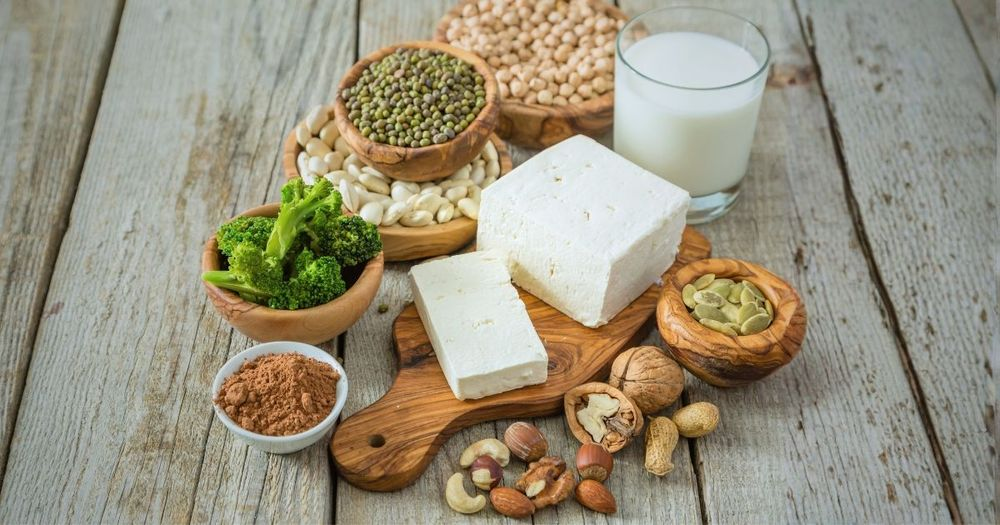
A tin of chickpeas and a fillet of salmon can carry a similar number on the label. Grams of protein, printed in bold, the figure the whole plant protein trend is built on.
That number counts what went into the tin. It says nothing about what your gut can take out of it, whether the mix of amino acids is the one your muscles need, or what else came along for the ride. So is plant protein as good as meat? Your body keeps a different set of books to answer that, and in those books the chickpea and the salmon are not the same.
None of this means beans are poison. It means the gram on the label is a promise, and some foods keep it better than others.
The score that counts what you absorb
For decades, protein quality was scored with a method called PDCAAS, which estimated digestion from what came out the other end and capped every score at 1.0. In 2013 the Food and Agriculture Organization proposed a better one, DIAAS. It measures each essential amino acid where the small intestine finishes its work, the point where absorption happens, and scores the protein on whichever one falls shortest. It isn't capped, so a protein that more than covers your needs can score above 1. The older method generally overestimated how much the body takes up.
Here is how the foods line up. Pork scores 1.17, whole milk 1.14, a hard-boiled egg 1.13, beef 1.12 and chicken breast 1.08. On the plant side, cooked kidney beans score 0.59, cooked peas 0.58, roasted peanuts 0.43, almonds 0.40, wheat 0.40 to 0.48 and corn 0.36. Rice protein concentrate, the kind sold in powders, manages 0.37.
In fairness, soy holds up well. Tofu scores 0.97 and whole soybean close to 1. Pea protein concentrate reaches 0.82 and soy protein isolate 0.90, and potato protein isolate scores 1.00. Most of these figures come from tests in pigs, whose guts work much like ours, and mixing plant proteins can lift the combined score. But the pattern is plain. Ordinary animal foods clear the bar without trying, and most whole plant foods fall well short of it.
The amino acid each crop runs short of
A protein is only as useful as its scarcest essential amino acid. Your body builds with all of them at once, so when one runs out, the building stops there, and the rest gets burnt for energy. Grains such as wheat, rice and corn run short of lysine. Beans, peas and chickpeas run short of the sulphur-containing pair, methionine and cysteine. More of the same food doesn't close the gap.
Corn shows what that can cost. Untreated maize is a poor source of both niacin and tryptophan, the amino acid the body can turn into niacin. Where corn became the staple without the old Native American method of soaking it in an alkaline lime solution, pellagra followed: diarrhoea, an angry rash, confusion, and death if nothing changed. In the American South, 100,000 people were affected in 1916, and the medical opinion of the day blamed a germ or a toxin in the corn.
Joseph Goldberger, studying jails and orphanages, showed it was the diet. In 1914 he took two orphanages where pellagra was rampant and switched the children to a varied diet with fresh meat, vegetables, milk and eggs. Within weeks there were no new cases, and almost all the sick children had recovered. When the funding ran out and the old diet came back, so did the pellagra.
Leucine, the switch
One amino acid does more than build. Leucine acts as a signal that tells muscle to start making protein, and most plant proteins carry less of it than animal ones.
That is part of why, in the studies so far, soy and wheat protein produced a smaller muscle-building response than several animal proteins. A review in the Journal of Nutrition put the gap down to three things working together: plant protein is digested less completely, more of its amino acids are taken up by the gut and liver and turned into urea before they reach the muscles, and its leucine is lower. The authors were honest that few studies have measured this directly, with soy and wheat the main ones tested.
The gap matters more as you get older. Ageing muscle responds less to the same meal. In one experiment, older adults given a standard mix of essential amino acids showed no rise in muscle building at all, while the same mix with extra leucine brought the response back. Younger muscle responded either way. The older you are, the more the leucine in each meal counts, and the more an egg or a steak earns its place.
Rice and beans at the same table
The answer usually offered is combining, beans with rice, so each covers the other's shortfall. The idea took off in 1971 with Frances Moore Lappé's bestseller Diet for a Small Planet, and for a time vegetarians were told to match their proteins at every meal. A decade later Lappé changed her position, writing that she had stressed combining because she assumed plant protein had to be made as usable as animal protein. Matching proteins at every meal came to be seen as an unnecessary complication.
The long trials deserve a straight reading too. Across 16 trials pooled in 2021, the source of the protein didn't change gains in absolute lean mass or strength when total protein was generous, which it was in most of them. Animal protein did come out ahead on lean mass as a share of the body, and adults under 50 gained about 0.4 kg more lean mass with it. So plant protein can do the job, but it needs more food, more care and more planning to get there, and it still trails slightly when the measure is muscle.
What arrives with the protein
Plant protein foods come as a package, and part of the package works against you.
Phytates, found in grains, legumes, nuts and seeds, bind calcium, iron and zinc firmly and keep them from being absorbed. A review of plant-based foods eaten by young children in low-income countries found phytate highest in those based on unrefined cereals and legumes, and the foods that reached healthy mineral ratios often did it by adding animal foods or fortification. If legumes and grains are your main protein, the same meals that bring the protein are holding back your zinc. A is one way to cover it on a plant-heavy diet; meat, shellfish and eggs are the other. goes further into how much rests on minerals like these.
Trypsin inhibitors, in soy and other legumes, block the enzymes the pancreas sends out to break protein down. In animal feeding, they slow growth and enlarge the pancreas, which works harder to compensate. Heat destroys most of them: boiling soybeans for 14 minutes removes about 80%, and 30 minutes about 90%. Cooking properly matters, and raw or lightly cooked legumes keep more.
Saponins take their name from the Latin for soap, because they foam in water. Quinoa's seeds wear a bitter coating of them, there to deter birds. Most quinoa sold today has had that coating removed, but it's still worth rinsing until the water stops foaming.
The wider family of plant antinutrients, oxalates included, is in Why Your Fruits and Vegetables Deliver Less Than You Think, with what preparation does to them; it's linked below.
Fermentation changes the deal
The traditional answer to all this was time and microbes. Fermentation breaks down antinutrients through acidity and microbial enzymes, and it can raise mineral absorption and improve the amino acid profile. A 2026 review in Food Chemistry found the case strong in principle, though many methods are still at laboratory scale and need testing in people. The old foods were ahead of the lab here. Tempeh, soybeans fermented with a mould, has carbohydrates that are far easier to digest than the plain bean's, and natto, fermented with a bacterium, is one of the richest food sources of vitamin K2. If you eat soy at all, the fermented forms are the ones with tradition on their side.
Soy, told straight
Soy carries isoflavones, plant compounds that bind to oestrogen receptors. What they do depends partly on your gut: only about 30 to 50% of people have the bacteria that turn the isoflavone daidzein into equol, a more active compound. The name gives away where it was first found. Equol was isolated from horse urine in 1932, and the "equ" is the horse.
The claim that soy lowers men's testosterone doesn't hold up in the trials. A 2021 analysis of 41 clinical studies found no effect of soy protein or isoflavones on testosterone or oestrogen in men, whatever the amount or duration. Fertility is less settled. In an observational study of 99 men at a fertility clinic, those eating the most soy foods had 41 million fewer sperm per millilitre than men who ate none, though motility and shape were unaffected and the study can't prove cause.
The bigger issue is what's done to soy before it reaches you. Hexane, a solvent, is used to extract oil from soybeans, and workers breathing it for years have developed nerve damage. The protein isolates in powders and processed foods start from soybean meal with its hull and oil removed, then get separated further, leaving little of the original bean.
Plant powders can carry something else along. Crops take lead in through their roots, and a powder concentrates whatever the crop held. In a Consumer Reports check of popular protein powders and shakes, those made from plants averaged nine times the lead of the dairy ones and twice that of the beef ones. The full picture, metals and all, is in Why Your Healthiest Foods Carry the Most Hidden Toxins.
The burger that isn't
Meat alternatives are built to copy the taste and texture of meat, and their labels show how much work that takes: plant or fungal proteins, fats or oils, flavourings, binders and colourings. The fat is plant oil, standing in for the animal fat of the burger they replace. Whatever the word "plant-based" suggests, the result is a heavily processed food carrying protein that scores lower than the beef it imitates.
One exception has an unlikely origin. In the 1960s, the businessman J. Arthur Rank funded a search for a way to turn surplus wheat into protein. His scientists screened 3,000 types of fungi and, in 1968, found the winner in a compost heap.
That fungus, Fusarium venenatum, is grown in fermenters as mycoprotein, sold as Quorn. Its amino acid pattern is excellent, with a protein score of 0.91 on the older scale, and reactions to it are very rare, mostly in people already allergic to moulds. It is still a factory food, but it is the one non-animal protein that comes close to the real thing.
What only animal food brings
The comparison runs both ways. Animal foods carry things plants don't carry at all.
Creatine, the muscle's quick-release energy store, is found mainly in meat and fish, and vegetarian and vegan diets go with lower muscle creatine. In a double-blind trial with 128 young women, five days of creatine sharpened memory in the vegetarians and made no difference to the meat-eaters, who were already getting it from their food. A closes that gap if you eat little meat.
Carnosine, which helps muscles buffer acid, gets its name from the Latin for flesh. The body makes some of its own, but there are no plant sources of it at all. Haem iron, the kind in meat, absorbs at 15 to 35%, well ahead of the iron in most supplements. Vitamin B12 is made only by microbes, and plant foods don't carry enough of it to prevent deficiency.
Then there's glycine. Plants have it, but collagen is built on it, with glycine at every third position along its chains. Skin, bone broth and the tougher cuts are where it lives, which argues for eating the whole beast, not only its lean muscle. Collagen on its own is a poor protein, though. Gelatin scores just 0.02, because it lacks tryptophan, so it rounds out meat rather than replacing it. What Happens to the Body When You Remove Most Plant Foods (linked below) follows what changes when the plate tips that way.
The gram and the body
The label counts grams. Your body counts what it absorbs, which amino acid runs out first, whether the leucine was enough to flip the switch, and what else came in with it. By that count, meat, fish and eggs deliver their protein with room to spare, and most plant foods deliver part of it, with a bill attached.
Even the word takes sides. When the chemist Berzelius named protein in 1838, he took it from the Greek proteios, "in the lead". On the plate, it still decides which food leads.
So make meat, fish and eggs the main event, with plants as the side dish rather than the base. If you eat more plants than that, choose the fermented forms, cook legumes properly, and know which gaps you're carrying. Eggs score 1.13, so a vegetarian plate with eggs on it still clears the protein bar. With no animal food at all, the list gets longer: B12 has to come from a supplement, creatine and zinc are worth covering, and haem iron and carnosine aren't on the menu at all. A whole-animal diet needs none of that.
The number on the label was never the whole story. The body was always keeping its own count.
Curious what else plant foods take back? Why Your Fruits and Vegetables Deliver Less Than You Think — phytates, lectins, oxalates, and the preparation that reduces their impact.
Wondering what happens when the plate tips towards meat? What Happens to the Body When You Remove Most Plant Foods — the changes that follow, who benefits most, and what to watch for.
Know someone who switched to plant protein and still struggles with energy, recovery or hunger? Send them this. The label tells them what went in. Their body knows what it got.
Tried something here, or got a question it didn't answer? Write to us at contact@allforlife.club. Your questions shape the next articles.
Disclaimer: This article is general information, not medical or nutritional advice. If you're pregnant, take medication or have a health condition, talk to a qualified health professional before changing your diet or starting a supplement.
Affiliate Disclosure: This article contains affiliate links. As an Amazon Associate, All For Life earns from qualifying purchases, at no extra cost to you. We only link to products we would recommend without the commission.
Sources
Wikipedia. Digestible Indispensable Amino Acid Score. en.wikipedia.org
Wikipedia. Pellagra. en.wikipedia.org
Wikipedia. Joseph Goldberger. en.wikipedia.org
van Vliet S, Burd NA, van Loon LJ (2015). The Skeletal Muscle Anabolic Response to Plant- versus Animal-Based Protein Consumption. Journal of Nutrition 145(9):1981–1991. doi.org/10.3945/jn.114.204305
Katsanos CS, Kobayashi H, Sheffield-Moore M, et al. (2006). A high proportion of leucine is required for optimal stimulation of the rate of muscle protein synthesis by essential amino acids in the elderly. American Journal of Physiology — Endocrinology and Metabolism 291(2):E381–E387. doi.org/10.1152/ajpendo.00488.2005
Wikipedia. Protein combining. en.wikipedia.org
Lim MT, Pan BJ, Toh DWK, et al. (2021). Animal Protein versus Plant Protein in Supporting Lean Mass and Muscle Strength: A Systematic Review and Meta-Analysis of Randomized Controlled Trials. Nutrients 13(2):661. doi.org/10.3390/nu13020661
Wikipedia. Phytic acid. en.wikipedia.org
Gibson RS, Bailey KB, Gibbs M, Ferguson EL (2010). A review of phytate, iron, zinc, and calcium concentrations in plant-based complementary foods used in low-income countries and implications for bioavailability. Food and Nutrition Bulletin 31(2 Suppl):S134–S146. doi.org/10.1177/15648265100312S206
Wikipedia. Trypsin inhibitor. en.wikipedia.org
Wikipedia. Saponin. en.wikipedia.org
Wikipedia. Quinoa. en.wikipedia.org
Sarlak Z, Parandi E, Mohammadi R, et al. (2026). Fermentation-driven degradation of antinutritional factors in plant-based foods. Food Chemistry 529:151154. doi.org/10.1016/j.foodchem.2026.151154
Wikipedia. Tempeh. en.wikipedia.org
Wikipedia. Natto. en.wikipedia.org
Wikipedia. Equol. en.wikipedia.org
Reed KE, Camargo J, Hamilton-Reeves J, et al. (2021). Neither soy nor isoflavone intake affects male reproductive hormones: An expanded and updated meta-analysis of clinical studies. Reproductive Toxicology 100:60–67. doi.org/10.1016/j.reprotox.2020.12.019
Chavarro JE, Toth TL, Sadio SM, Hauser R (2008). Soy food and isoflavone intake in relation to semen quality parameters among men from an infertility clinic. Human Reproduction 23(11):2584–2590. doi.org/10.1093/humrep/den243
Wikipedia. Hexane. en.wikipedia.org
Wikipedia. Soy protein. en.wikipedia.org
Consumer Reports (2025). High Levels of Lead in Protein Powder and Shakes. consumerreports.org
Wikipedia. Meat analogue. en.wikipedia.org
Wikipedia. Mycoprotein. en.wikipedia.org
Wikipedia. Creatine. en.wikipedia.org
Benton D, Donohoe R (2011). The influence of creatine supplementation on the cognitive functioning of vegetarians and omnivores. British Journal of Nutrition 105(7):1100–1105. doi.org/10.1017/S0007114510004733
Wikipedia. Carnosine. en.wikipedia.org
Wikipedia. Human iron metabolism. en.wikipedia.org
Wikipedia. Vitamin B12. en.wikipedia.org
Wikipedia. Collagen. en.wikipedia.org
Wikipedia. Protein. en.wikipedia.org