
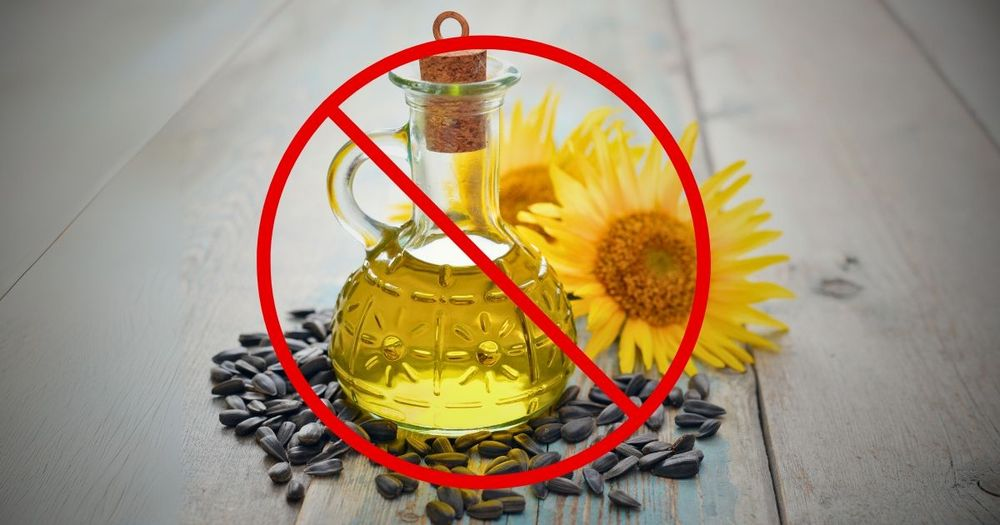
Canola oil, soybean oil, sunflower oil, corn oil, safflower oil, cottonseed oil — these are the fats that replaced butter, lard, and tallow in Western kitchens over the past century. They're in almost every processed food, most restaurant kitchens, and the majority of home pantries. They carry the endorsement of the American Heart Association and appear in the dietary guidelines of most Western governments.
They are also, by chemical structure, among the least stable fats available for human consumption — and that instability produces specific compounds inside the body that an expanding body of research associates with the chronic disease patterns that have risen in parallel with their adoption.
This article covers the chemistry. What these oils are, how they're made, what happens to them when heated, what they produce inside the body, and why the institutional consensus that endorsed them was built on weaker foundations than most people realise.
What Seed Oils Are and How They're Made
The fats humans have eaten for most of their evolutionary history — animal fats, olive oil, coconut oil — are extracted by pressing or rendering. Apply pressure or heat to fatty tissue or olives, and fat separates out. The process is simple, the product stable, and the chemical structure of the resulting fat is largely unchanged from the source.
Industrial seed oils follow a different path entirely.
Seeds like soybeans, rapeseeds (canola), sunflower seeds, and corn kernels contain fat in small quantities distributed through the seed's cellular structure. Mechanical pressing alone extracts only a fraction. To extract the remainder, the seeds are bathed in hexane — a petroleum-derived solvent similar to lighter fluid — which dissolves the remaining fat from the cellular matrix.
The hexane is then evaporated off, but residual traces remain in the final product. The resulting oil is dark, foul-smelling, and opaque — nothing like the clear, pale liquid sold in supermarkets. What follows is a sequence of industrial processes designed to produce a product with acceptable colour, smell, and shelf life.
Degumming removes phospholipids using water or acid treatment. Refining treats the oil with sodium hydroxide — lye — to remove free fatty acids. Bleaching passes the oil through activated clay to remove pigments and residual soaps, producing the pale colour associated with refined oils. Deodorising heats the oil to temperatures between 200°C and 270°C under vacuum for extended periods, driving off the volatile compounds responsible for the rancid smell the earlier processes left behind.
The product that emerges from this sequence looks like cooking oil. What it shares with the raw seed beyond basic fatty acid composition is limited.
The deodorising stage deserves particular attention. At temperatures above 200°C, polyunsaturated fatty acids begin to undergo chemical changes that produce trans fatty acids and a class of compounds called aldehydes. Some of these aldehydes — particularly those derived from linoleic acid — are biologically active at very low concentrations. They are produced during processing, and they are produced again when the oil is heated during cooking.
The Chemistry of Polyunsaturated Fats
To understand why seed oils behave the way they do, it's necessary to understand what makes a fat chemically stable or unstable.
Fats are chains of carbon atoms with hydrogen atoms attached. The carbon atoms can be connected by single bonds or double bonds. When all carbon-carbon connections are single bonds, the fat is saturated — every carbon is "saturated" with hydrogen. When one double bond is present, the fat is monounsaturated. When two or more double bonds are present, the fat is polyunsaturated.
Double bonds are chemically reactive. They represent points in the carbon chain where the molecule is vulnerable to oxidation — reaction with oxygen that breaks the chain and produces shorter, reactive molecules called free radicals and aldehydes.
The more double bonds a fat contains, the more reactive and unstable it is. Saturated fats, with no double bonds, are chemically stable — they resist oxidation at cooking temperatures and in storage. This is why butter, lard, and tallow remain stable at high heat and go rancid slowly. Monounsaturated fats like olive oil are moderately stable. Polyunsaturated fats with multiple double bonds are highly unstable — they oxidise readily at cooking temperatures and, once oxidised, produce a cascade of reactive compounds.
The dominant fatty acid in most seed oils is linoleic acid — an omega-6 polyunsaturated fat with two double bonds. Soybean oil contains approximately 54% linoleic acid. Sunflower oil contains 65–75%. Corn oil contains approximately 58%. Safflower oil can reach 75%. Canola oil is lower — approximately 19% — but considerably higher than traditional animal fats.
For comparison: butter contains approximately 3% linoleic acid. Beef tallow contains approximately 2–3%. Lard contains approximately 10%.
The difference is significant. It represents a fundamental shift in the chemical composition of the fats entering the human diet — and inside the human body.
What Happens When Seed Oils Are Heated
When a polyunsaturated fat is heated — at cooking temperatures, in a deep fryer, in a pan — the double bonds in the fatty acid chains begin to react with oxygen. This process, called lipid peroxidation, produces a range of breakdown products.
The most studied of these are aldehydes — short-chain reactive molecules that form when oxidised fatty acid chains break apart. The specific aldehydes produced depend on which fatty acid is oxidising. Linoleic acid, the dominant fatty acid in most seed oils, produces 4-hydroxynonenal (4-HNE) and malondialdehyde (MDA) when it oxidises.
4-HNE warrants specific attention. It is classified as a highly reactive electrophile — a molecule that readily attacks proteins, DNA, and other cellular structures. At the concentrations produced by heated seed oils, 4-HNE has been shown in research to:
- Form covalent bonds with proteins, altering their structure and function
- Damage mitochondrial proteins, impairing energy production
- React with DNA, producing mutations associated with cancer initiation
- Modify LDL cholesterol particles, making them more likely to be taken up by arterial macrophages — the cellular process at the root of atherosclerotic plaque formation
- Activate inflammatory signalling pathways at very low concentrations
A 2012 study published in the journal Chemical Research in Toxicology measured aldehyde production when common cooking oils were heated to frying temperatures. Sunflower oil and corn oil produced levels of 4-HNE and other toxic aldehydes that exceeded safe limits established by the World Health Organization within minutes of heating. Butter and olive oil produced substantially lower levels of these compounds under the same conditions.
A 2015 study from De Montfort University, published with significant media coverage in the UK, measured the compounds produced when different oils were heated to cooking temperatures for twenty minutes. Polyunsaturated oils produced concentrations of toxic aldehydes up to 200 times higher than the level considered safe for long-term human consumption. The researchers specifically recommended against using corn oil, sunflower oil, and other highly polyunsaturated oils for cooking.
These findings sit firmly within mainstream peer-reviewed chemistry and toxicology literature and have been replicated across multiple research groups. What they describe is straightforward chemistry: heat applied to unstable molecules produces reactive breakdown products. The more unsaturated the fat, the more breakdown products are generated, and the more rapidly.
What Happens to Seed Oils Inside the Body
The oxidation chemistry that occurs during cooking continues, more slowly, in biological tissue.
When linoleic acid is consumed and incorporated into cell membranes, it remains available for oxidation by the same enzymatic and non-enzymatic processes that govern lipid peroxidation throughout the body. The human body contains enzymes specifically designed to manage oxidative stress — but these systems evolved in an environment where polyunsaturated fat intake was a fraction of modern levels.
Cell membranes are composed of phospholipids — fat molecules arranged in a bilayer that forms the boundary of every cell. The fatty acids incorporated into these phospholipids determine the membrane's physical properties: its fluidity, its permeability, and its vulnerability to oxidative damage. When the diet is high in linoleic acid, membranes incorporate proportionally more of it.
A membrane rich in linoleic acid is more fluid than one composed of saturated and monounsaturated fats — but it is also more susceptible to lipid peroxidation. Oxidative damage to membrane phospholipids disrupts membrane function, triggers inflammatory signalling, and can initiate apoptotic (cell death) pathways.
The connection to cardiovascular disease runs through LDL cholesterol modification. Native, unoxidised LDL particles circulate with minimal immune response — the macrophages in arterial walls largely ignore them. Oxidised LDL, however, is taken up voraciously by those same macrophages, forming the foam cells that accumulate to become atherosclerotic plaques. The oxidation of LDL particles is driven substantially by the peroxidation of the polyunsaturated fatty acids they carry.
This is a mechanism that the diet-heart hypothesis — which focused on total LDL levels — largely missed. The concern with seed oils and cardiovascular disease goes beyond their effect on LDL quantity. The linoleic acid they deliver makes LDL particles more susceptible to the oxidative modification that drives plaque formation.
The particle size distinction matters here and rarely appears in standard cholesterol conversations. LDL particles come in two broad types: large, buoyant particles that circulate without significant immune response, and small, dense particles that penetrate arterial walls more easily and are far more susceptible to oxidative modification. A standard LDL-C blood test measures total cholesterol carried in LDL particles — it provides no information about particle size or oxidation status. Two people with identical LDL-C readings can have dramatically different cardiovascular risk profiles depending on which particle type dominates. High-carbohydrate diets and diets high in linoleic acid promote the formation of small, dense LDL. Animal-fat-based diets with lower refined carbohydrate intake tend to shift the pattern toward large, buoyant particles. The number on the standard lipid panel captures neither of these distinctions.
Insulin resistance is upstream of the small dense LDL problem. Chronic elevation of fasting insulin — driven substantially by refined carbohydrate intake and the inflammatory state that high omega-6 consumption promotes — is associated with elevated triglycerides, reduced HDL, and the small dense LDL pattern that correlates most strongly with cardiovascular events. Markers that capture this picture — fasting insulin, HOMA-IR, high-sensitivity CRP, and triglyceride-to-HDL ratio — are more predictive of cardiovascular risk in most populations than LDL-C alone, and they respond more directly to dietary changes. The dietary shift that reduced saturated fat and increased seed oils and refined carbohydrates moved these markers in the wrong direction while the LDL-C number it was meant to improve told a misleading story.
One observation worth noting: statins — prescribed in large part as a response to the cholesterol patterns that emerged from Western dietary changes — are documented to deplete CoQ10, a coenzyme central to mitochondrial energy production. The richest dietary source of CoQ10 is beef heart — an organ meat that disappeared from most Western diets at roughly the same time seed oils replaced animal fats. The pharmaceutical response to the cardiovascular risk produced by one dietary shift also depletes a nutrient that another dietary shift had already removed from the food supply.
The Omega-6 to Omega-3 Ratio: Why It Matters at the Cellular Level
Linoleic acid is an omega-6 fatty acid. Alpha-linolenic acid (ALA), found in flaxseed and walnuts, is an omega-3 fatty acid. Both are essential — the body cannot synthesise them and must obtain them from food.
What determines their biological effects is their ratio to each other — because omega-6 and omega-3 fatty acids compete for the same enzymes in the body's fatty acid metabolism pathway.
Both linoleic acid and ALA are converted by the enzyme delta-6 desaturase into longer-chain fatty acids. Linoleic acid is converted into arachidonic acid (AA), a precursor to pro-inflammatory eicosanoids. ALA is converted into EPA and DHA, precursors to anti-inflammatory eicosanoids.
When omega-6 intake is high relative to omega-3, the delta-6 desaturase enzyme is occupied predominantly with the omega-6 pathway, reducing conversion of ALA to EPA and DHA. The result is a relative shift toward pro-inflammatory signalling — not because of individual inflammatory events, but as a sustained baseline state.
Estimates of the ancestral human omega-6 to omega-3 ratio — based on the food composition of hunter-gatherer and traditional agricultural diets — fall between 1:1 and 4:1. The current average in Western diets is estimated at 15:1 to 20:1, with some estimates for people consuming large amounts of processed food reaching 25:1.
This shift has occurred almost entirely within the last century, driven primarily by the displacement of animal fats with seed oils and the addition of seed oils to the vast majority of processed foods. A single tablespoon of soybean oil delivers approximately 7 grams of linoleic acid. The same tablespoon of butter delivers approximately 0.3 grams.
The physiological consequences of a chronically elevated omega-6 to omega-3 ratio extend beyond cardiovascular disease. Elevated arachidonic acid pathway activity is associated with the inflammatory component of conditions including type 2 diabetes, metabolic syndrome, autoimmune diseases, depression, and certain cancers. The relationship between chronic inflammation and chronic disease is complex and multifactorial — sustained elevation of the pro-inflammatory pathway through dietary omega-6 loading creates a physiological environment more permissive to their development.
The Seven Countries Study and How the Evidence Got Misconstrued
The institutional consensus endorsing vegetable oils and condemning saturated fat rests primarily on the diet-heart hypothesis — the proposition that dietary saturated fat raises LDL cholesterol, which causes cardiovascular disease. The most influential evidence for this hypothesis came from Ancel Keys' Seven Countries Study, published in 1970.
The Seven Countries Study correlated dietary fat intake with cardiovascular disease mortality across seven countries and found that countries with higher saturated fat consumption had higher heart disease rates. The study was widely cited, became the foundation of the 1977 US Dietary Goals, and underpins the AHA's nutritional recommendations to this day.
The study's limitations are now well-documented in the peer-reviewed literature.
Keys examined dietary data from 22 countries before selecting seven for publication. Reanalysis of the full dataset — conducted by independent researchers and confirmed through later meta-analyses — shows that the correlation between saturated fat and cardiovascular mortality that appeared in the seven-country selection was substantially weaker when all available data was included.
The methodological problems go further. The Seven Countries Study is ecological in design — it correlates national averages rather than individual dietary intake and individual disease outcomes. Ecological studies are subject to confounding by any number of variables that vary between countries: smoking rates, physical activity levels, sugar consumption, medical care access, and dozens of others. Keys' study had no mechanism to separate the effects of saturated fat from any other variable that happened to be higher in countries with high saturated fat consumption.
Several of the countries included had specific dietary patterns that complicated interpretation. Finland and the United States — the high saturated fat, high heart disease countries — were also high consumers of refined carbohydrates and industrially processed foods. The Mediterranean countries — lower saturated fat, lower heart disease — were also lower consumers of refined sugars and processed products. Attributing the cardiovascular difference specifically to saturated fat, given this context, required assumptions the study's design had no capacity to test.
Scientific literature of the 1950s and 1960s operated with methodological standards that have since been significantly refined. What remains is that the evidentiary foundation for condemning saturated fat and endorsing polyunsaturated vegetable oils was weaker than the institutional consensus that built upon it suggested.
The clinical trials that followed were designed to test the diet-heart hypothesis but produced mixed results. The Minnesota Coronary Experiment — conducted in the 1960s and 1970s but not fully published until 2016 — replaced saturated fat with linoleic acid-rich vegetable oil in a randomised controlled trial. LDL cholesterol fell in the intervention group, as predicted. Cardiovascular mortality did not. In fact, the intervention group showed higher all-cause mortality, particularly among older participants. The published papers from the era omitted these findings; full data recovery was only made possible decades later by Ramsden et al. through family archive access.
The Sydney Diet Heart Study found similar results: replacing saturated fat with safflower oil reduced serum cholesterol but increased cardiovascular and all-cause mortality.
These trials are documented findings published in the BMJ and JAMA, cited in meta-analyses. The AHA's nutritional guidelines have remained fundamentally unchanged in response to them.
Why the Institutional Endorsement Persisted
Understanding why institutional endorsements of seed oils persisted despite equivocal evidence requires understanding how nutritional science generates and validates its consensus positions.
The American Heart Association's relationship with the vegetable oil and processed food industry is documented and disclosed. The AHA's Heart-Check certification program charges food manufacturers a fee — up to $7,500 annually per product — to display the AHA logo on packaging. Products that qualify include those made with seed oils, provided they meet specific targets for total fat, saturated fat, sodium, and cholesterol. The arrangement falls outside legal definitions of conflict of interest — it is openly disclosed — but it creates a financial relationship between the AHA and the food manufacturers whose products carry its endorsement.
Medical school nutrition education is limited. Most medical schools provide fewer than 20 hours of nutrition instruction during four years of training. Those hours reflect the existing consensus rather than the full range of peer-reviewed evidence — because the existing consensus is what clinical guidelines and board examinations are based on. A physician who received standard nutrition training in the 1980s or 1990s learned the diet-heart hypothesis as settled science.
Continuing medical education frequently receives pharmaceutical industry funding. The link between industry-funded CME and prescribing patterns is well-documented. Less studied but plausible is a similar dynamic in nutrition: medical professionals whose ongoing education is funded by food and pharmaceutical industries that profit from the management of diet-related chronic disease may be less likely to encounter evidence challenging the dietary status quo.
The result is how institutional inertia, financial relationships, and educational structure combine to maintain a consensus position past the point where the evidence alone would support it. Understanding this means understanding the systemic incentives within which individuals operate — rather than attributing malice to them personally.
The Historical Displacement of Traditional Fats
The shift from animal fats to seed oils did not happen organically through consumer choice. It was driven by three converging factors: the agricultural economics of seed oil production, World War II-era fat shortages, and a sustained marketing effort that positioned vegetable shortening and margarine as modern alternatives to traditional fats.
Procter & Gamble introduced Crisco in 1911 — a partially hydrogenated cottonseed oil product — positioning it as a "cleaner," more "scientific" alternative to lard and tallow. The marketing strategy included distributing a free cookbook containing exclusively Crisco-based recipes, securing endorsements from domestic science advocates, and later from physicians.
Cottonseed oil was an industrial byproduct of cotton production with limited prior uses. Its transformation into a food product represented a solution to a waste disposal problem as much as a culinary development. The same economic logic applied to soybean oil — a byproduct of protein meal production for animal feed — which became the dominant cooking oil in the United States from the 1950s onward.
World War II accelerated the transition by creating genuine animal fat shortages. Margarine consumption rose sharply as butter became scarce. The food industry invested in production infrastructure that made seed oils cheap and available at scale — and that infrastructure made the fats produced from it the default option in industrial food production after the war.
The diet-heart hypothesis provided scientific cover for what was already economically convenient. Seed oils were cheaper to produce than butter and lard. They had longer shelf lives when partially hydrogenated. They could be produced at industrial scale. When research emerged suggesting that saturated fat — the primary component of animal fats — caused heart disease, and that polyunsaturated fat — the primary component of seed oils — was protective, the food industry embraced the message and built its marketing around it.
The partial hydrogenation that made seed oils shelf-stable at room temperature also produced trans fatty acids — a specific geometric rearrangement of double bonds that research in the 1990s linked unambiguously to cardiovascular disease risk. The FDA did not require trans fat labelling until 2006, nearly four decades after trans fats became ubiquitous in the food supply. GRAS (Generally Recognised as Safe) designation — which allows food manufacturers to self-certify ingredient safety — was a significant part of how partially hydrogenated oils remained in widespread use for as long as they did.
The removal of trans fats from the food supply following FDA action in 2015 was a genuine public health improvement. It also illustrates how the regulatory mechanism that allowed a harmful ingredient to persist — self-certification, slow agency response to accumulating evidence — remains in place for the seed oils that replaced partially hydrogenated fats in many products.
Reading Labels: Where Seed Oils Hide
Avoiding seed oils in a processed food environment requires knowing how they appear on labels. They appear under their own names — soybean oil, canola oil, sunflower oil, safflower oil, corn oil, cottonseed oil, grapeseed oil — and under generic terms.
"Vegetable oil" typically means soybean oil or a blend of seed oils. "Refined vegetable oil" is the same. "Partially hydrogenated vegetable oil" — still found in some shelf-stable products, particularly outside the United States — is the trans fat-containing version. "High-oleic sunflower oil" and "high-oleic canola oil" are modified versions with higher monounsaturated content and greater stability than standard versions, and represent a genuine improvement over conventional seed oils while still differing significantly from traditional fats.
Processed foods almost universally contain seed oils. Bread, crackers, snacks, salad dressings, mayonnaise, sauces, condiments, frozen meals, fast food, most restaurant food — all use seed oils because they are cheap, stable in the supply chain, and acceptable to the palate when blended with flavour compounds and salt.
Reading ingredient labels with this in mind reframes the typical supermarket experience. The question is less "which processed food is healthy" than "which whole foods and minimally processed products make seed oil avoidance straightforward."
What to Cook With Instead
The practical replacement for seed oils returns the kitchen to fats that were standard before 1900 and that carry the chemical stability that seed oils lack.
Butter and ghee — The fat profile of butter is approximately 66% saturated fat, 30% monounsaturated, and 4% polyunsaturated. It is chemically stable at normal cooking temperatures and produces none of the aldehyde compounds that heated seed oils generate in significant quantities. Grass-fed butter has a higher CLA and omega-3 content than conventional butter. Ghee — clarified butter with milk solids removed — has a higher smoke point than butter and stores at room temperature for extended periods. Grass-fed ghee works well for higher-heat cooking where butter's milk solids might burn.
Beef tallow — The fat rendered from beef suet. Approximately 50% saturated, 42% monounsaturated, 4% polyunsaturated. Extremely stable at high temperatures. Lard — rendered pork fat — has a similar profile. Both were the default cooking fats in Western kitchens until the mid-20th century and remain so in many traditional food cultures.
Extra virgin olive oil — Approximately 73% monounsaturated oleic acid, 11% polyunsaturated, 14% saturated. More stable than seed oils due to its monounsaturated composition, and extensively associated with positive health outcomes in the Mediterranean population studies that form a significant part of the cardiovascular research base. Appropriate for lower and medium-heat cooking and for dressings. High-quality extra virgin olive oil should be cold-pressed and stored away from light and heat.
Coconut oil — Approximately 87% saturated fat, making it among the most stable fats available. High smoke point. The saturated fat in coconut oil is primarily medium-chain triglycerides (MCTs), which are metabolised differently from the long-chain saturated fats in animal products. Unrefined coconut oil retains its natural compounds; refined versions have a more neutral flavour.
Cooking in these fats requires appropriate cookware. Seasoned cast iron handles high heat well, builds a non-stick surface over time, and adds trace dietary iron to food — a meaningful benefit for anyone with borderline iron status.
The Evidence Picture: What the Research Supports
The evidence on seed oils rules out the conclusion that they are harmless components of a balanced diet. It equally rules out the conclusion that they are responsible, by themselves, for the entirety of Western chronic disease — a claim made in much popular writing on this subject that overstates what the research demonstrates.
What the evidence does support:
The oxidation chemistry is established. Polyunsaturated fats produce reactive aldehydes when heated, at rates orders of magnitude higher than saturated and monounsaturated fats. 4-HNE is cytotoxic and genotoxic at the concentrations produced by heated seed oils. The chemistry literature presents this as settled.
Linoleic acid drives the omega-6/omega-3 ratio. The shift in Western dietary fat composition over the past century has produced a dramatic increase in the ratio of omega-6 to omega-3 intake. The physiological consequences of this shift — increased arachidonic acid pathway activity, elevated inflammatory tone — are documented in the research literature, though the magnitude of their contribution to specific disease outcomes remains actively studied.
The diet-heart hypothesis's evidentiary base is weaker than its institutional prominence suggests. The Seven Countries Study's methodological limitations are well-documented. The clinical trials that tested saturated fat replacement with seed oils produced inconsistent results, with several showing increased mortality in intervention groups. The evidence base for condemning saturated fat was built with less certainty than the confidence of the condemnation suggested.
Traditional fats are chemically more stable than refined seed oils. This is a chemical fact, verifiable through basic lipid chemistry.
The ancestral omega-6/omega-3 ratio was dramatically lower than the modern one. This is established through analysis of hunter-gatherer and traditional dietary patterns. Whether restoring a lower ratio through dietary change produces measurable health improvements in modern populations is an active area of research with encouraging but still-developing findings.
The appropriate response to this evidence picture is to recognise that the institutional confidence with which seed oils were endorsed exceeded the strength of the underlying evidence — and that the chemical properties of these fats give genuine reasons for caution that the consensus position has underweighted.
What the Research Suggests Going Forward
Transitioning away from seed oils toward traditional fats is supported by the chemistry, the ancestral diet evidence, and the clinical trial data — with the caveats that the evidence on specific health outcomes remains incomplete and that individual responses to dietary changes vary.
For most people, the practical application is straightforward: cook with butter, ghee, tallow, or olive oil; read processed food labels and reduce products with seed oils listed among primary ingredients; eat the whole foods — meat, fish, eggs, vegetables, fruit — that contain seed oils only in naturally occurring, low quantities.
For those interested in understanding the deeper research, The Big Fat Surprise by Nina Teicholz covers the history of the diet-heart hypothesis, the Seven Countries Study's methodological problems, and the clinical trial evidence in detail, drawing on the primary research literature throughout. It is the most thorough lay account of how the institutional consensus was constructed and what the evidence actually supports.
The seed oil question is ultimately a specific instance of a broader pattern in nutritional science: a hypothesis formed with limited evidence, amplified by institutional endorsement and industry interest, and maintained past the point where the accumulating evidence continued to support it. Recognising that pattern — and acting on the best available evidence rather than the most authoritative endorsement — is a more useful frame than any simpler narrative about deception or conspiracy.
The chemistry of what happens when linoleic acid is heated, oxidised, and incorporated into cell membranes is settled. What the body does with those compounds, and how much they contribute to specific disease outcomes in the context of a full diet and lifestyle, continues to be studied. Replacing seed oils with chemically stable traditional fats while that evidence develops is a low-risk decision with reasonable scientific support.
If the conditions most commonly driven by chronic inflammation have dietary roots, the contamination picture goes beyond cooking fats. What Gets Added to Your Food Before It Reaches You — the glyphosate, synthetic additives, and other industrial compounds in the food supply and their documented effects on the metabolic and inflammatory conditions that seed oil chemistry compounds.
The nutrients your body needs to manage oxidative stress and inflammation come primarily from one food category. Why Animal Foods Deliver What Plant-Based Diets Promise — and Can't — the bioavailability case for the foods that deliver stable fats, fat-soluble vitamins, and the antioxidant cofactors that seed oil chemistry depletes.
Know someone who cooks with vegetable oil every day and wonders why they feel chronically inflamed? This covers what happens at the chemical level — and what to use instead.
Disclaimer: This article is for informational purposes only and does not constitute medical or nutritional advice. The research cited covers documented chemical and epidemiological findings. Individual responses to dietary changes vary. Consult a qualified healthcare practitioner before making significant dietary changes, particularly if you have existing cardiovascular or metabolic conditions.
Affiliate Disclosure: This article contains affiliate links. If you purchase through these links, we may earn a small commission at no additional cost to you. We only recommend products we consider genuinely valuable for the specific topics discussed.


