
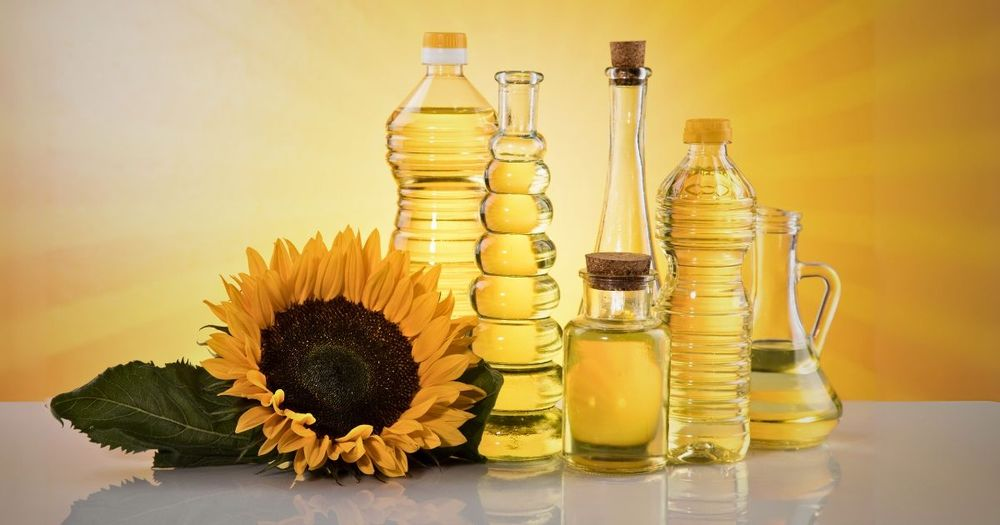
The obvious places are easy. Switch the cooking oil, stop buying margarine, swap the salad dressing. Then wonder why nothing changed. The answer is usually in the foods that never got checked — the ones where seed oils hide under names that look nothing like "canola" or "vegetable oil," in categories that carry a health-food reputation.
Seed oils appear in the vast majority of packaged and restaurant food. They're cheap, shelf-stable, neutral in flavour, and invisible to anyone who skips past the full list of names they travel under. A shopper carefully avoiding canola oil might still be consuming three other seed oils in their afternoon snack, none of them labelled in a way that flags the connection.
Every name seed oils travel under, every food category where they're near-universal, the specific products that carry a health-food reputation while containing them, how to navigate restaurants, and how to transition a kitchen without overhauling everything at once — all of it is here.

Every Name Seed Oils Use on Ingredient Labels
The first barrier to seed oil avoidance is that there is no single term that covers all of them. Each oil is listed by its own name, and several catch-all terms disguise blends. Knowing this list is the foundation of everything else.
Named seed oils to look for:
- Soybean oil (also listed as soya oil)
- Canola oil (also listed as rapeseed oil in European products)
- Sunflower oil
- Safflower oil
- Corn oil (also listed as maize oil)
- Cottonseed oil (a byproduct of the textile industry, requiring heavy refining to remove gossypol — a naturally occurring toxin present in the raw seed)
- Grapeseed oil
- Rice bran oil
- Sesame oil (cold-pressed sesame oil used sparingly is less problematic, but industrial refined versions carry the same processing concerns as other seed oils)
These oils vary considerably in how much omega-6 they deliver. Safflower sits at approximately 133:1 omega-6 to omega-3, corn at 83:1, sunflower at 40:1, soybean at 7:1, and canola at roughly 2:1. The oils at the top of that range — sunflower, corn, safflower — are the ones that dominate snack foods and packaged products and drive the dietary omega-6 load hardest. The Western diet average sits around 15:1 to 20:1; ancestral estimates fall between 1:1 and 4:1. Knowing which oils matter most helps prioritise where to focus.
Flaxseed oil is sometimes suggested as an omega-3 counterbalance, but it warrants caution. It is one of the most oxidation-prone oils available — the high polyunsaturated content means it begins oxidising during cold pressing, and many commercial versions are already rancid before the bottle is opened. Fatty fish, sardines, and mackerel deliver EPA and DHA directly without the oxidation problem.
Catch-all terms that almost always mean seed oils:
- Vegetable oil — in processed food, this is almost universally soybean oil or a blend of seed oils
- Refined vegetable oil — the same, with additional processing
- Blended vegetable oil — a mixture of two or more seed oils
- Cooking oil — used in restaurant contexts and some imported products
- Vegetable shortening — traditionally hydrogenated soybean or cottonseed oil
Less obvious seed oil markers:
- Mono- and diglycerides — listed as emulsifiers, frequently derived from seed oil processing. Can contain trace trans fats that fall below the FDA rounding threshold and appear as zero on the nutrition label. A reliable marker of industrial processing even when present in small quantities
- Interesterified fats / interesterified vegetable oil — the chemical process that replaced partially hydrogenated oils after the trans fat ban. Uses soybean oil as the base and structurally rearranges the fatty acids to produce solid fat without hydrogenation. Still appearing on labels now and largely unknown outside specialist nutrition circles
High-oleic versions — a partial exception:
- High-oleic sunflower oil
- High-oleic safflower oil
- High-oleic canola oil
These are bred or processed to contain more oleic acid (monounsaturated fat) and less linoleic acid than standard versions, making them more chemically stable. They sit somewhere between standard seed oils and olive oil in terms of composition. Still industrial products, still refined — but meaningfully different from conventional sunflower or safflower oil in their fatty acid profile.
Partially hydrogenated oils:
- Partially hydrogenated soybean oil
- Partially hydrogenated cottonseed oil
- Any "partially hydrogenated" oil
The trans fat-containing versions. Largely removed from US food supply following FDA action in 2015, but still found in some imported products, shelf-stable baked goods, and packaged foods with long sell-by dates manufactured before the transition.
Margarine and shortening — both are seed oil products regardless of what the front of the package says. "Plant-based butter," "dairy-free spread," and "vegetable shortening" all fall into this category unless the ingredient list shows only coconut oil, palm oil, or olive oil as the fat source.
What you're looking for on every label: the fat source. In any processed food, the oil used will appear in the ingredients list. Scan for any of the names above before purchasing.
The Food Categories Where Seed Oils Are Almost Universal
Knowing which categories are high-risk saves the work of reading every label from scratch. In these categories, a product without seed oils is the exception rather than the rule.
Bread and baked goods
Nearly all commercial bread contains soybean oil or canola oil. This includes sliced bread marketed as whole grain, multigrain, or sprouted. Bagels, English muffins, wraps, and tortillas follow the same pattern. Crackers are universally made with seed oils — even premium artisan crackers in health food stores.
The exceptions are sourdough bread made with water, flour, salt, and starter only — check the full ingredients, as many commercial sourdoughs add oil — and flatbreads made with olive oil or no added fat.
Salad dressings and condiments
Almost every bottled salad dressing uses soybean oil or canola oil as its base. This includes most vinaigrettes, ranch, Caesar, balsamic-based dressings, and "Italian" dressings. Products labelled "olive oil dressing" often contain a small percentage of olive oil with soybean oil as the primary fat — olive oil is expensive and typically listed as a secondary ingredient.
Mayonnaise is made from soybean oil in nearly all commercial versions. This includes standard mayo, "light" mayo, and most "avocado oil mayo" products — read the ingredient list carefully, as several brands marketed as avocado oil mayo contain soybean oil as the first ingredient and avocado oil as a minor addition.
Ketchup, mustard, and most hot sauces typically contain no added oils. Barbecue sauce varies — check for oil in the ingredients. Pesto almost always uses soybean or sunflower oil unless it specifically states extra virgin olive oil.
Packaged snacks
Crisps, crackers, popcorn, pretzels, rice cakes, granola bars, and trail mixes almost universally contain seed oils. Nuts sold dry-roasted frequently use cottonseed or peanut oil for the roasting process — "dry-roasted" refers to the absence of water, not the absence of oil. Raw nuts or nuts roasted in olive oil or coconut oil are the alternative.
Protein bars and energy bars typically use seed oils alongside the protein blend. Flavoured rice cakes use oil even when the plain base version omits it. Even products sold in health food stores and marketed with clean-eating language frequently contain sunflower oil or grapeseed oil.
Cooking sprays
Aerosol cooking sprays — including butter-flavoured versions — are almost universally canola or soybean oil with a propellant. A light spray directly onto a hot pan applies an unstable oil at high heat, often at higher temperatures than frying. Butter or ghee rubbed onto a pan or applied with a pastry brush does the same job without the seed oil.
Prepared and frozen foods
Frozen vegetables are typically safe — plain frozen vegetables with no sauce contain no added oil. Frozen meals with any sauce, seasoning, or coating use seed oils. Frozen chips and other potato products are fried or coated in seed oils before freezing.
Ready meals, soups, and canned goods with any fat content generally use seed oils. Canned fish is an important exception — sardines and mackerel in olive oil are widely available and seed oil-free. Canned fish in sunflower oil or vegetable oil carries the same seed oil content as any other processed product.
Baby food and children's products
Commercial baby food pouches, toddler snacks, and children's crackers and biscuits frequently contain sunflower oil or rapeseed oil. Products marketed specifically at children — including organic versions — follow the same pattern as adult processed food. The ingredient list applies here exactly as it does everywhere else.
Hummus and dips
Commercial hummus almost universally uses sunflower oil or soybean oil alongside the tahini. The tahini itself may be sesame only (acceptable) or blended with seed oils (check the label). Bean dips, guacamole products, and similar items follow the same pattern — homemade or single-ingredient products are the safe option.
Non-dairy products
Oat milk, almond milk, soy milk, and most other plant-based milks contain sunflower oil or rapeseed oil to replicate the mouthfeel of dairy fat. This is one of the more surprising seed oil sources for people who consume these products regularly. Full-fat coconut milk is the exception — it contains only coconut and water.
Plant-based cheese and plant-based meat alternatives are almost universally made with seed oils as the primary fat source. These products are among the highest seed oil concentrations in the food supply.

Foods Many People Believe Are Safe — But Aren't
These specific products regularly surprise people who have been trying to reduce seed oil consumption.
"Made with olive oil" products
Front-of-package claims about olive oil are frequently misleading. A product "made with olive oil" may contain olive oil as the third or fourth fat listed, with soybean or canola oil appearing first. In the European Union, olive oil content claims require minimum thresholds — in the US, no such requirement exists. Always verify by reading the ingredient list, not the front label.
Avocado oil products
The same pattern applies. Several widely sold "avocado oil mayonnaise" and "avocado oil spray" products contain avocado oil as a minor ingredient alongside soybean oil or canola oil as the primary fat. from a reputable producer — with avocado oil as the only ingredient — is a legitimate seed-oil-free option. The blended products are not.
Organic and natural food store products
Organic certification covers pesticide use in growing, not processing methods or fat composition. An organic canola oil is still canola oil. Products sold in health food stores and labelled "natural," "organic," or "non-GMO" frequently contain sunflower oil, safflower oil, or grapeseed oil — oils that are perceived as more natural than canola but carry the same linoleic acid load and processing concerns.
Granola and muesli
Most commercial granola is coated in seed oils before toasting. Sunflower oil and canola oil are standard. Some products use coconut oil — these are the exception and will state it explicitly.
Restaurant salads
A restaurant salad with grilled chicken, vegetables, and house dressing typically contains seed oils in three places: the dressing base, the oil used to cook the chicken, and sometimes a light oil coating on the vegetables. Ordering oil and vinegar separately is the most reliable way to control the dressing. The cooking fat is outside your control in most restaurant settings.
Eggs and meat at restaurants
The eggs themselves are safe. The oil they're cooked in frequently presents the problem. Most restaurant kitchens use canola or soybean oil for cooking eggs, vegetables, and most proteins. Asking for eggs or meat cooked in butter is a request most restaurants will accommodate if you ask directly.
Reading Labels Efficiently: A System
Reading every ingredient on every product takes more time than most shopping trips allow. A faster system scans for the fat source specifically, which appears in a predictable place.
Step 1: Go straight to ingredients, not nutrition facts
The nutrition label tells you how much fat, saturated fat, and unsaturated fat a product contains — the type of oil used requires the ingredients list.
Step 2: Scan for the oil early in the list
Ingredients are listed in descending order by weight. If an oil appears in the first five ingredients, it's present in significant quantity. If it appears further down, the amount is smaller — though still present.
Step 3: Look for the full list of fat-containing ingredients
Some products use multiple oils in smaller quantities that individually appear near the bottom of the list. A product with sunflower oil, canola oil, and soybean oil each listed separately may contain more total seed oil than a product listing canola oil as its second ingredient.
Watch specifically for blend disclosure language: phrases like "vegetable oil shortening (soybean and cottonseed oil)" or "contains one or more of the following: canola oil, corn oil, sunflower oil" are how manufacturers disclose the specific oils inside a blend. This language is where the actual seed oils are named in multi-oil products — scanning past the generic term and into the parentheses or the list that follows is where the specific content appears.
Step 4: Apply the category knowledge
If you know bread almost always contains soybean or canola oil, you're looking to confirm an exception rather than checking from scratch. Most of the time, category knowledge is faster than label-by-label reading.
Step 5: Check for the catch-all terms
If you see "vegetable oil" anywhere on the label, assume seed oil. If you see "refined vegetable oil blend" or similar language, assume seed oil. These terms apply specifically to seed oil blends — olive oil, coconut oil, and butter appear under their own names.
Navigating Restaurants
Restaurant kitchens use seed oils for nearly all cooking. This is economic reality — seed oils are dramatically cheaper than butter, olive oil, or tallow at restaurant volume. Completely avoiding seed oils while eating out regularly is very difficult. The practical approach is reducing the highest-exposure situations.
The highest-exposure dishes:
- Anything deep-fried — chips, fried chicken, spring rolls, tempura. Deep fryer oil is almost always canola, soybean, or a commercial vegetable blend
- Stir-fried dishes — the cooking oil used for wok cooking in most restaurants is a neutral seed oil
- Salad dressings — almost universally seed oil-based unless you order oil and vinegar
- Anything sautéed in volume — most restaurant kitchens sauté in seed oils by default
Lower-exposure options:
- Grilled proteins — the grill itself may be lightly oiled, but the exposure is lower than pan-frying or deep-frying
- Steamed dishes — no cooking fat at all
- Dishes where you request butter specifically — many restaurants will accommodate this for eggs, vegetables, or simple proteins
The most useful restaurant question:
"What oil do you cook with?" Most front-of-house staff will know or can find out. Some upmarket restaurants specifically use butter, olive oil, or duck fat and will tell you so readily — these are worth knowing about and returning to. Most will say canola or vegetable oil, which tells you what you're dealing with.
Japanese restaurants generally offer lower seed oil exposure than Western restaurants — much of the menu involves steamed, raw, or lightly seasoned food. The exceptions are tempura and katsu dishes, which are deep-fried.
Steakhouses are generally lower exposure than other restaurant categories — the primary proteins are grilled or broiled, not fried or sautéed in oil.
Fast food and most chain restaurants use seed oils for essentially all cooking. Treating these as high-exposure environments and eating at them occasionally rather than regularly is the realistic approach.
Transitioning Your Kitchen: Where to Start
Removing seed oils from a fully stocked kitchen entirely in one session is more work than a single afternoon will sustain. A phased approach is more practical.
Phase 1 — Replace the cooking fat (one day)
Discard or donate any canola, vegetable, sunflower, or corn oil currently in the kitchen. Replace with one or two alternatives. covers most everyday cooking. handles higher-heat cooking where butter's milk solids would burn. is cold-pressed — its polyphenols and volatile compounds degrade with heat, so it belongs in dressings, drizzled over finished dishes, or used cold rather than in a hot pan. works for high-heat roasting and frying.
A handles most daily cooking tasks with traditional fats better than non-stick pans and improves with use.
Storage matters as much as what you buy. Butter keeps in the fridge or a covered dish at room temperature for short periods. Ghee and tallow store well at room temperature in sealed containers away from light — they have very low moisture content and resist rancidity for months. Extra virgin olive oil is the most vulnerable: light and heat accelerate oxidation, so dark glass in a cool cupboard away from the stove is essential. Buying it in smaller bottles and using it within a few weeks of opening preserves it better than a large bottle sitting next to the hob for months.
Phase 2 — Replace the condiments (one shopping trip)
Make or buy a seed oil-free mayonnaise — several brands now produce avocado-oil-only versions, or it can be made in minutes with a stick blender using avocado oil. Replace bottled dressings with extra virgin olive oil and vinegar, or a simple made-at-home dressing used cold. These are the highest daily-exposure condiment sources.
Phase 3 — Address bread and crackers (ongoing)
Finding a bread and cracker brand without seed oils takes more effort but is achievable. Sourdough bread made with only flour, water, salt, and starter exists in most markets and online. Some rye crispbreads are made without added oils. Rice crackers with simple ingredients occasionally contain no seed oils. The label system described above makes finding these easier once you know what you're looking for.
What to accept about the transition
Eating out, travelling, or eating at other people's homes will involve seed oil exposure. The goal of reducing average intake substantially is achievable. The goal of zero exposure in all circumstances sits outside what everyday life allows. The measurable health benefit comes from eliminating seed oils from home cooking and the highest-volume packaged food sources — which is fully within anyone's control.
Ten Minutes of Learning, Applied Every Time
The label system in this article takes about ten minutes to learn. After that, it applies to every product in every supermarket without having to look anything up again. The names section covers what to scan for. The category knowledge covers where to look by default. The label reading system reduces the scanning to four steps. Restaurants require asking one question.
The transition happens in phases because it works better that way. Replace the cooking fat first — that single change covers the majority of home cooking exposure. The condiments follow. The bread and crackers take longer because the options are fewer, but they exist.
The broader picture — why the chemistry of these oils creates problems, how the omega-6 load affects inflammation and LDL oxidation, and how the heart-healthy endorsement was built — is in the companion article. This one is the system for acting on it.
If you want to understand why the label work in this article matters at the cellular level — what heated linoleic acid produces, what oxidised LDL actually does in arterial walls, and how the institutional endorsement of these oils was built on contested evidence — Why Seed Oils Are Wrecking Your Health — and How They Got a Heart-Healthy Label Anyway covers the full chemistry and the research behind it.
The foods that replace seed oils in your kitchen — animal fats, organ meats, shellfish — deliver the specific nutrients a standard Western diet quietly fails to provide. Why Animal Foods Deliver What Plant-Based Diets Promise — and Can't — the bioavailability case for the foods that pair with this article's practical framework.
Know someone who switched to "healthy" oils and still wonders why nothing changed? Forward this — the label system alone explains most of it.
Disclaimer: This article is for informational purposes only and does not constitute medical or nutritional advice. Individual responses to dietary changes vary. Consult a qualified healthcare practitioner before making significant dietary changes, particularly if you have existing health conditions.
Affiliate Disclosure: This article contains affiliate links. If you purchase through these links, we may earn a small commission at no additional cost to you. We only recommend products we consider genuinely valuable for the specific topics discussed.